22nd ACWO General Assembly discussed ways to keep women and children safe in the digital age


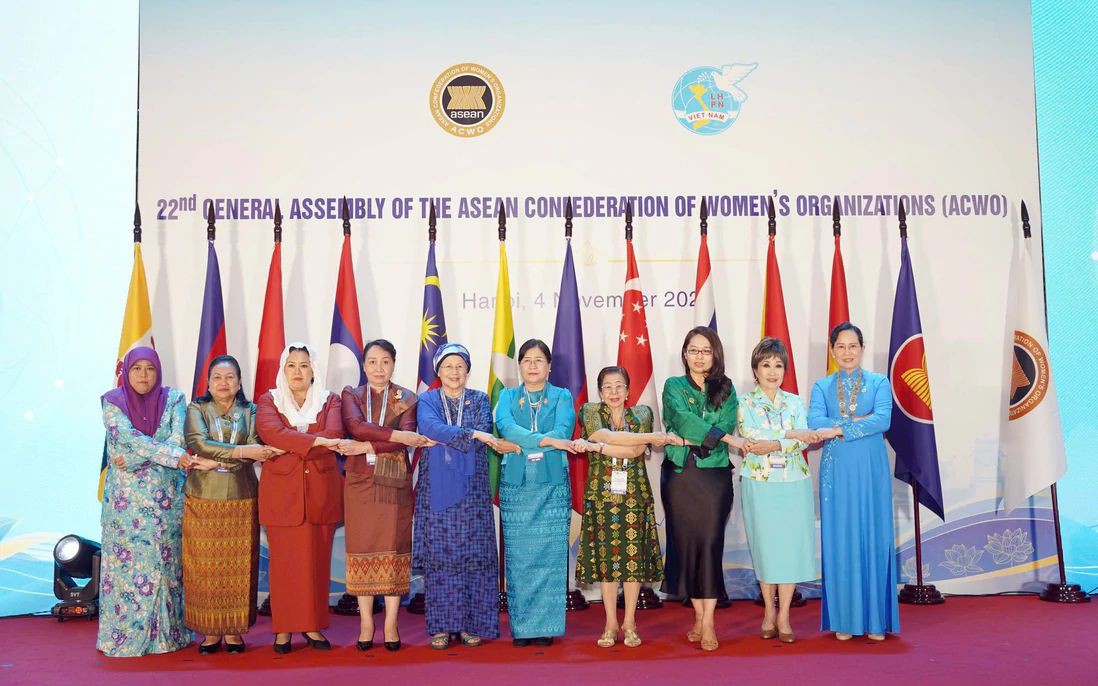
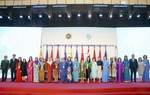
Leaders representing national women's organisations that are members of the ASEAN Confederation of Women's Organisations (ACWO)
One of the highlights of the 22nd General Assembly of the ASEAN Confederation of Women's Organisations (ACWO), held on November 4 in Hanoi, was a thematic session on "Safety for Women and Children in the Context of Digital Transformation". Delegates shared experiences, initiatives and solutions from ASEAN countries to strengthen digital literacy and prevent risks and challenges facing women and children online.
Digital transformation offers women and children greater opportunities to access knowledge, education and employment, as well as to connect with others. However, these opportunities also come with risks to online security and safety. Ensuring their safety in digital spaces is essential if everyone is to access and benefit from digital transformation effectively and equally. The thematic session provided an opportunity for ACWO member organisations to share practical experiences, initiatives and solutions, helping to promote cooperation across ASEAN towards a safer and more inclusive online environment for women and children.
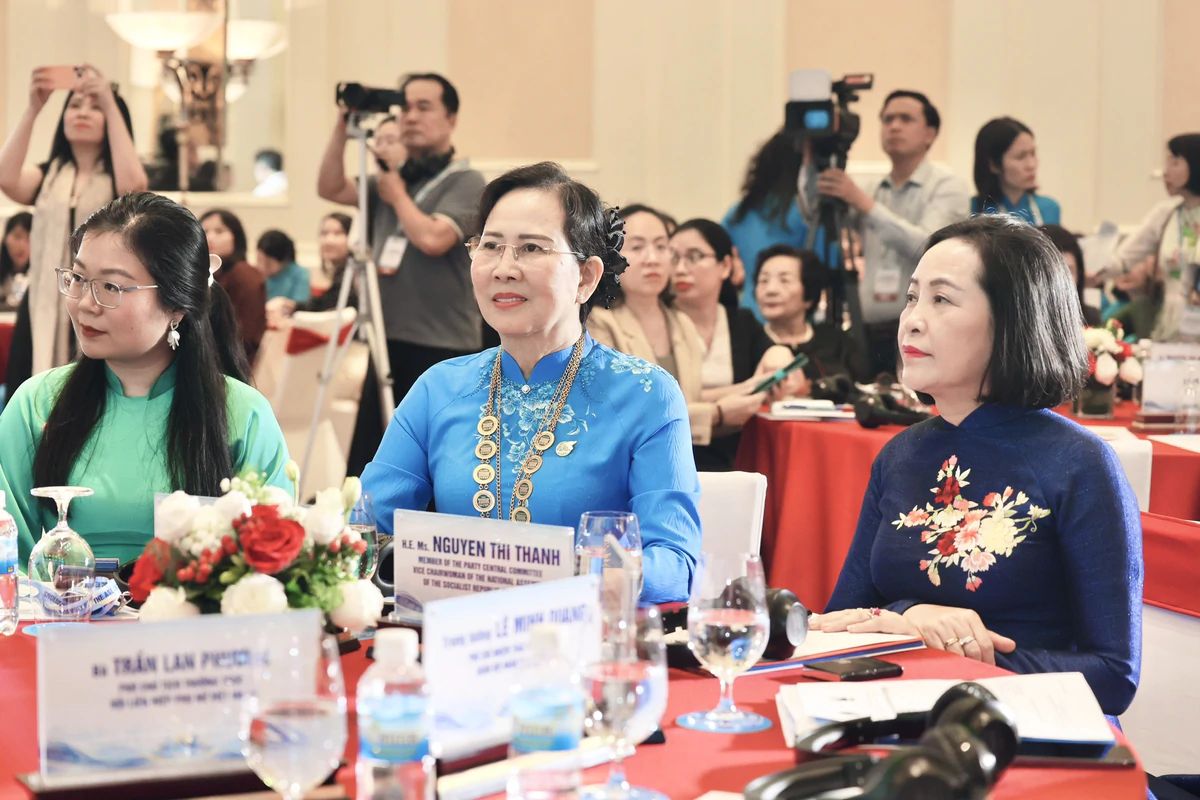
From right: Ms. Nguyen Thi Thanh, member of the Party Central Committee and Vice Chairwoman of the National Assembly; Ms. Le Thi Thuy, member of the Party Central Committee, Vice President of the Central Committee of the Vietnam Fatherland Front, President of the Vietnam Women's Union and ACWO President for the 2025–2026 term; and delegates at the 2026 ACWO General Assembly.
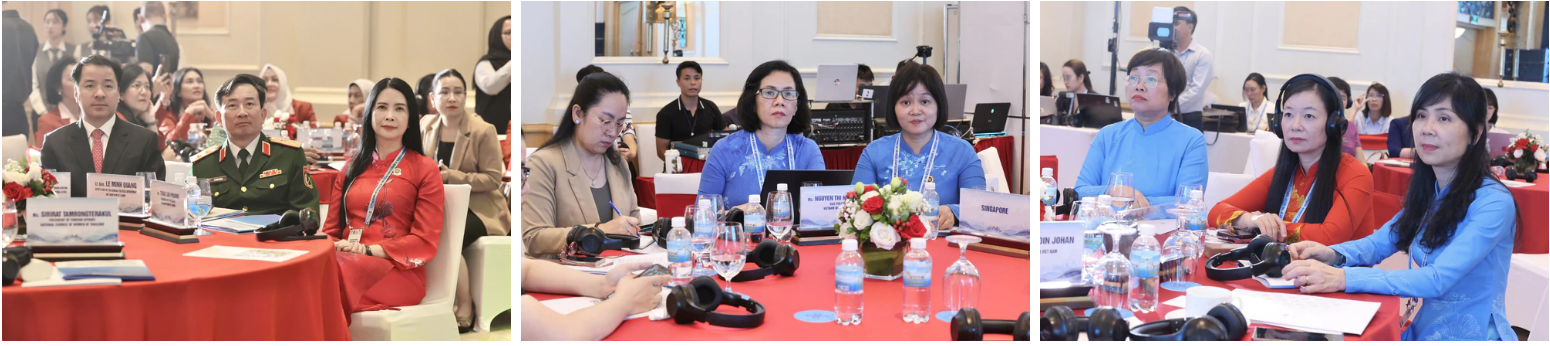
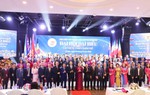
Delegates attend the thematic session on "Safety for Women and Children in the Context of Digital Transformation".
Building support networks within communities and across countries
Speaking about strengthening regional cooperation to protect women and children online, Ms. Yenny Wahid, Chairwoman of the Indonesian Council of Women's Organisations (KOWANI), noted that access to new technology was only one part of the empowerment process. While technology creates opportunities for learning, business and social connection, it can also facilitate harassment, exploitation and fraud.
Online violence can discourage women and girls from participating in public life. Digital safety, therefore, is also directly linked to women's right to speak out and their equal opportunities to participate in society.
For children, her presentation emphasised the importance of developing critical thinking, understanding consent, empathy and the confidence to seek help. Parents, schools and young people need support to recognise risks and respond safely. Warnings must be accompanied by practical guidance and an environment in which children feel able to speak up when they encounter problems.
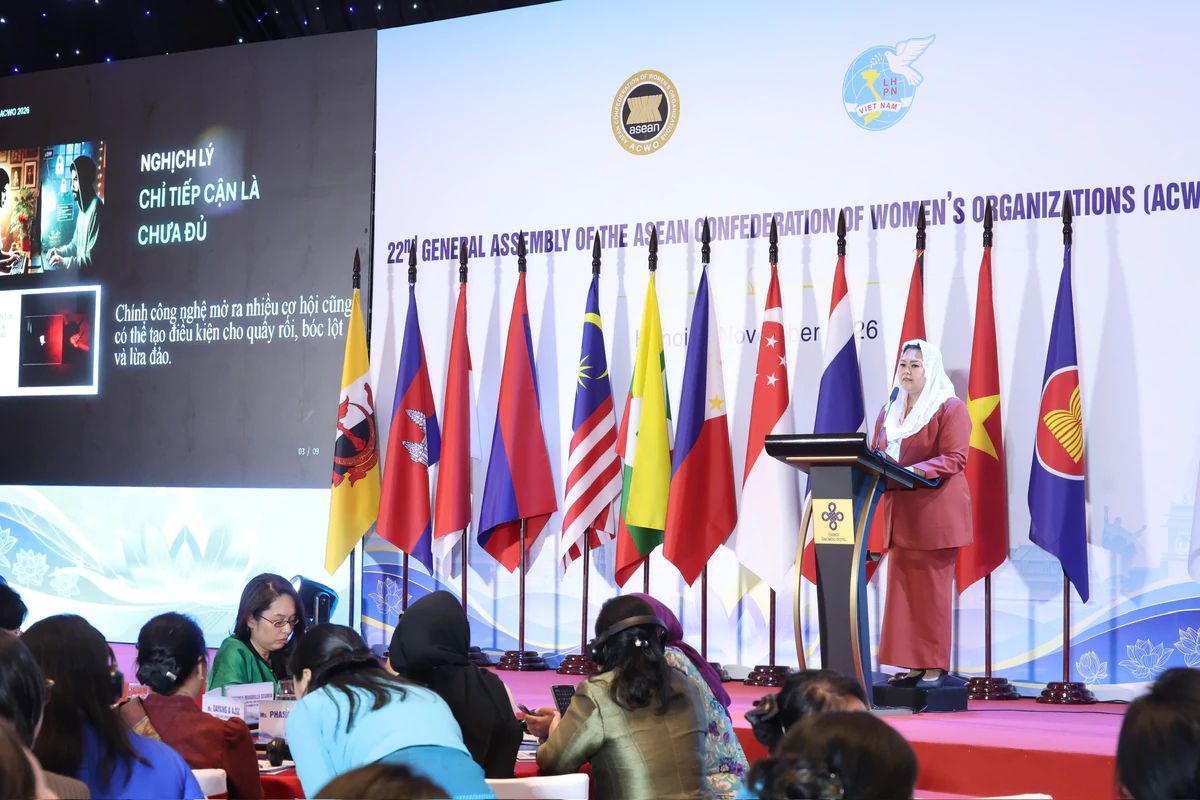
Ms. Yenny Wahid, Chairwoman of the Indonesian Council of Women's Organisations (KOWANI), delivers her presentation.
At the community level, Ms. Wahid highlighted the importance of trusted local networks, women's leadership and practical support systems. As online risks cross national borders, protection also requires coordination among governments, social organisations and technology companies.
She proposed that ACWO consider establishing an ASEAN Alliance for Women's Digital Safety. Its priorities could include improving digital literacy and skills, connecting support services for victims of online abuse, sharing expertise and promoting accountability among digital platforms. The proposal is intended as a basis for further discussion and development among member organisations.
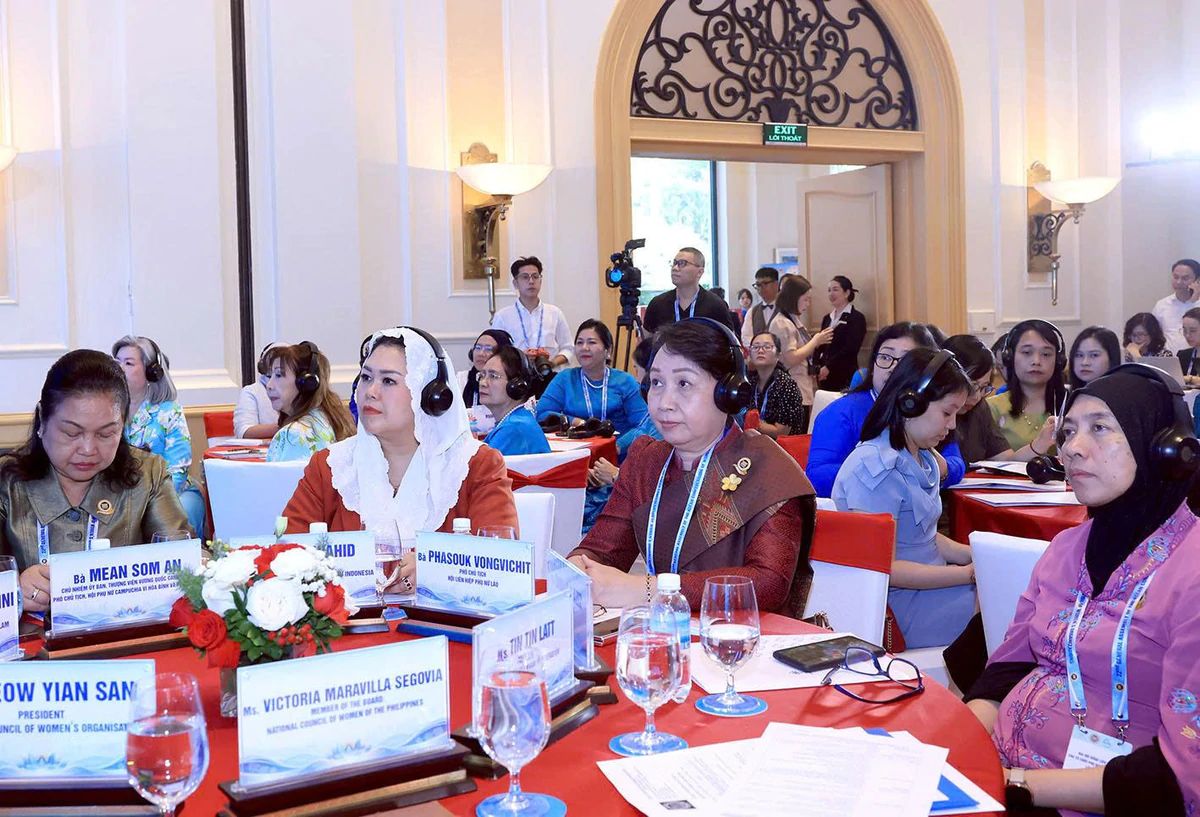
Delegates attend the thematic session on "Safety for Women and Children in the Context of Digital Transformation".
Sharing experience in protecting women and children online
In a presentation on initiatives to strengthen digital safety and respond to online scams, Dr Seow Yian San, President of the Singapore Council of Women's Organisations (SCWO), raised the question of how to maintain an open online environment in which women can participate safely and confidently. The approach she outlined focused on strengthening women's confidence while building support networks around them.
Dr Seow cited 2026 figures from SG Her Empowerment (SHE), which highlighted the scale of online harm in Singapore. Four in 10 people had experienced at least one form of online harm in their lifetime, while one in four had experienced abusive behaviour in the previous year. Among those affected, 36 per cent had suffered at least one serious consequence, ranging from mental and physical health problems to financial losses.
Access to support also remains a gap. According to the figures cited, only one in four victims who had reported online harm to digital platforms were satisfied with the responses they received.
In response to the need for support, SHECARES@SCWO was launched in January 2023 to provide a one-stop service for people affected by online harm. Through a helpline, counselling, free legal advice and referrals to the police, the initiative offers victims a point of access to appropriate assistance. Since early 2026, SHE has taken full responsibility for operating SHECARES.
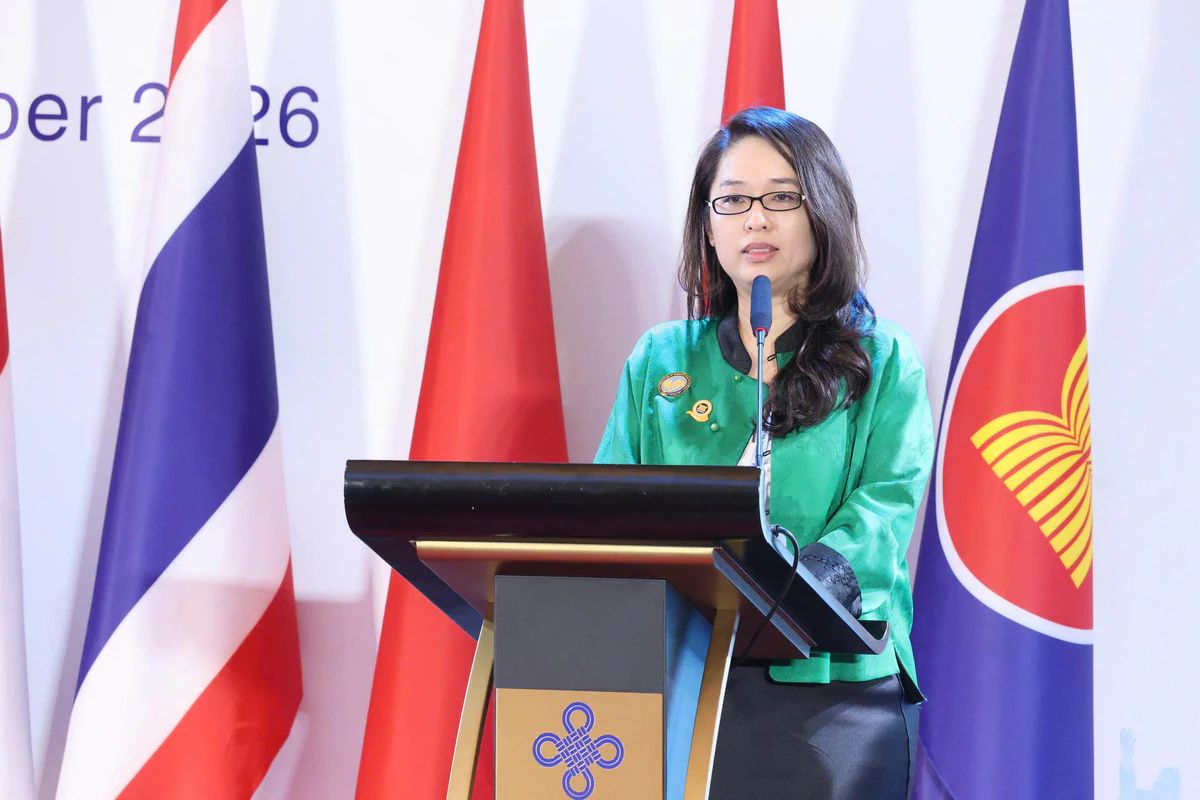
Dr Seow Yian San, President of the Singapore Council of Women's Organisations (SCWO), shares initiatives to strengthen digital safety and respond to online scams.
Dr Seow said that, as the coordinating body for more than 60 women's organisations, SCWO also seeks to mobilise resources through research, cooperation and policy advocacy. Identifying difficulties encountered in providing direct support to victims can give organisations a stronger basis for working together and proposing more effective protection measures.
Her presentation highlighted the need to combine preventive awareness campaigns with support services for those who have already experienced online harm. Women need to know how to recognise risks and where to turn when they face harassment, scams or abuse online.
From the perspective of linking policy with practice, Ms. Hoang Thi Thu Huyen, Deputy Director of the Department of International Cooperation at the Ministry of Home Affairs, Vietnam's national focal point for the ASEAN Committee on Women (ACW), emphasised the importance of closer coordination between government mechanisms and social organisations to ensure digital safety for women and children.
While the ACW promotes gender mainstreaming and regional cooperation frameworks, ACWO and its member organisations have the advantage of working directly with communities, supporting women and identifying difficulties as they arise. Drawing on the strengths of both sides can bring policy directions closer to the public while ensuring that information from the grassroots informs policy development.
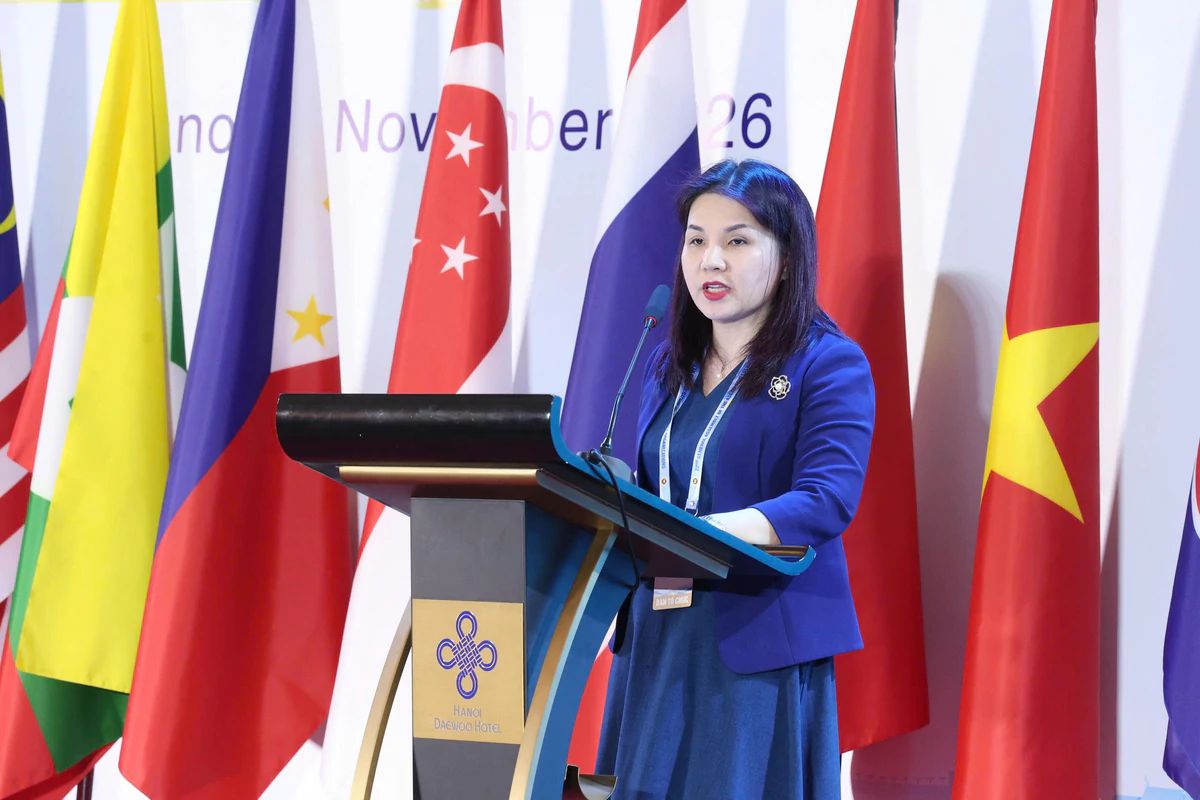
Ms. Hoang Thi Thu Huyen, Deputy Director of the Department of International Cooperation at the Ministry of Home Affairs and Vietnam's national focal point for the ASEAN Committee on Women (ACW), speaks at the session.
In her presentation, Huyen also discussed online training programmes designed to improve digital skills among older women. The courses cover practical topics such as using mobile devices, sharing locations, sending messages, shopping online and recognising information. These skills help women use technology with greater confidence, identify risks and avoid scams.
According to Vietnam's ACW representative, the experience of organisations working directly with communities can also help identify emerging risks, vulnerable groups and gaps in access to support services. Sharing effective models should therefore go hand in hand with information exchange, allowing organisations to select approaches suited to the circumstances of each country.
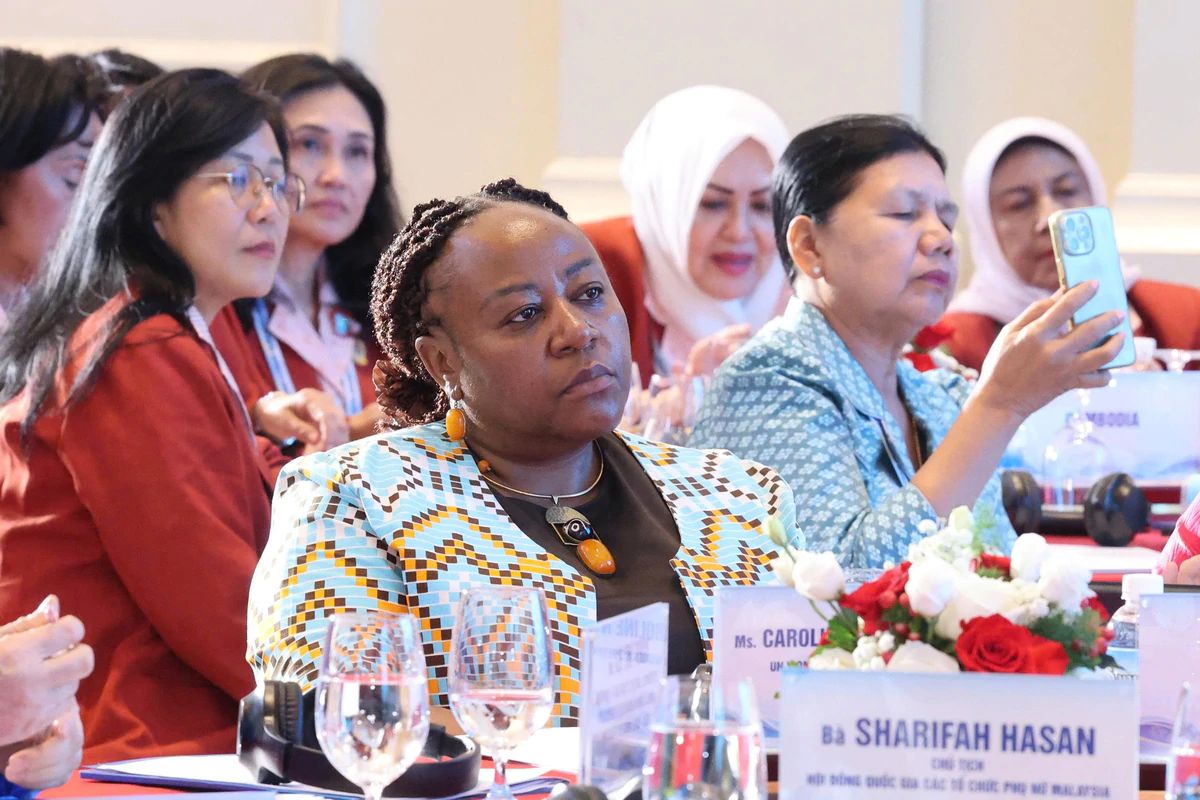
Delegates attend the thematic session.
During the session, delegates also heard from Ms. Chea Malika, Deputy Director of the Department of International Relations at the Secretariat of the Senate of the Kingdom of Cambodia, who discussed "Cambodian Women and Children in the Digital Age: Risks, Protection Measures and Policy Solutions".
Ms. Hoang Bich Thao, Communications and Policy Advocacy Officer at UN Women Vietnam, also presented on "Technology-Facilitated Gender-Based Violence: Priority Issues and Recommendations for ASEAN Women's Organisations".
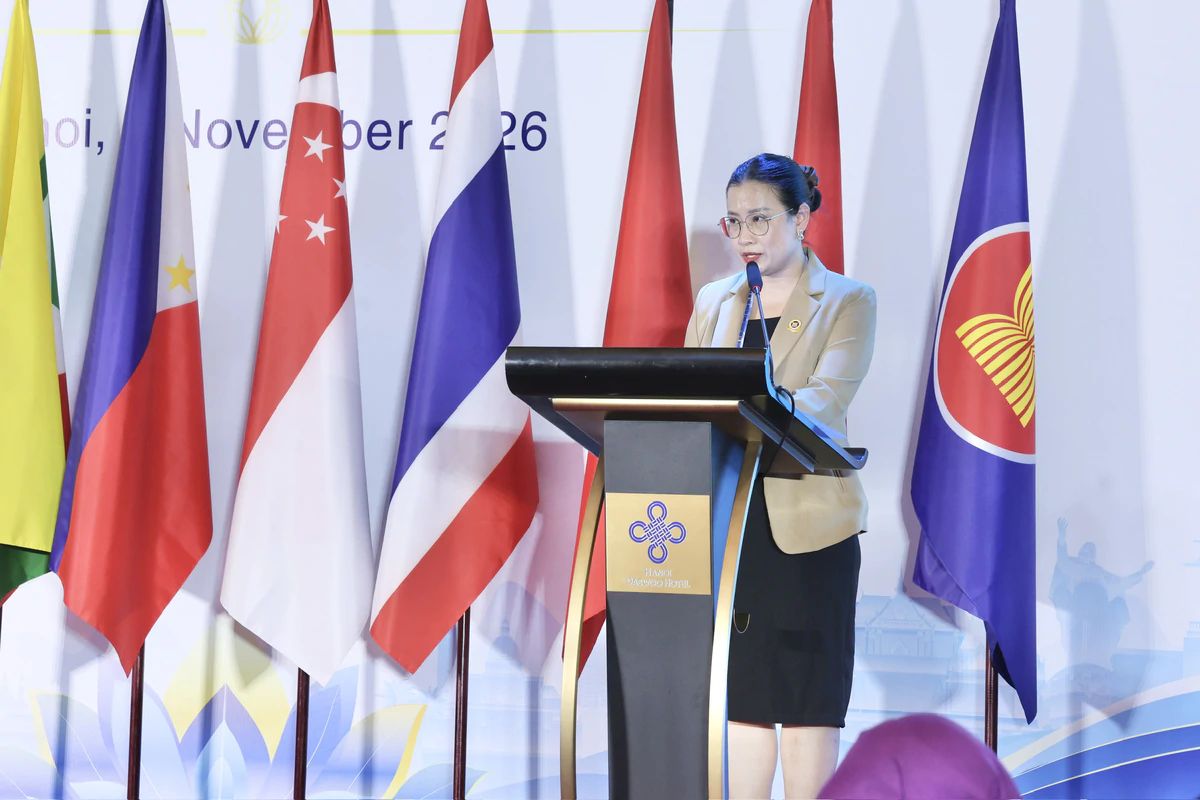
Ms. Chea Malika, Deputy Director of the Department of International Relations at the Secretariat of the Senate of the Kingdom of Cambodia, delivers her presentation.
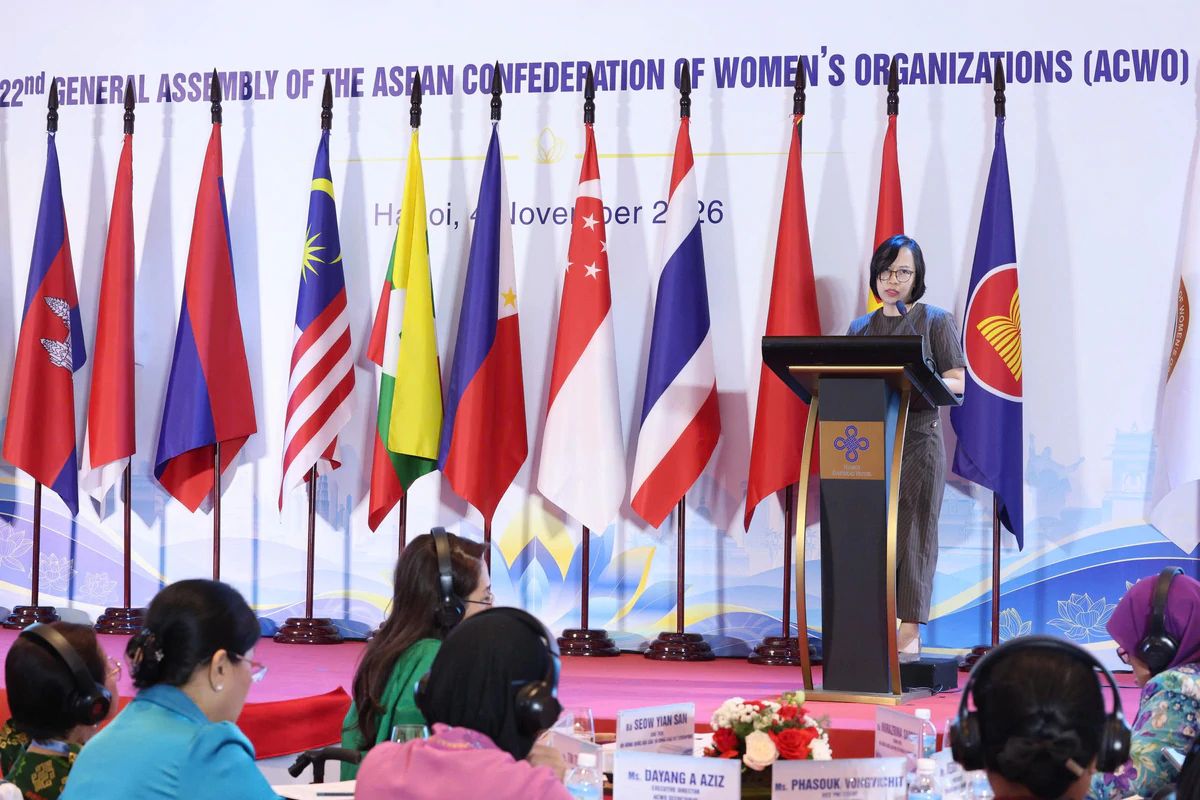
Ms. Hoang Bich Thao, Communications and Policy Advocacy Officer at UN Women Vietnam, presents on technology-facilitated gender-based violence.
The initiatives and recommendations shared during the session helped give practical shape to the cooperation agenda of the 22nd ACWO General Assembly, with the aim of developing joint activities to ensure that women and children across ASEAN are protected, supported and able to participate safely and equally in the digital transformation process.