Creating space for overseas Vietnamese intellectuals to contribute to the country


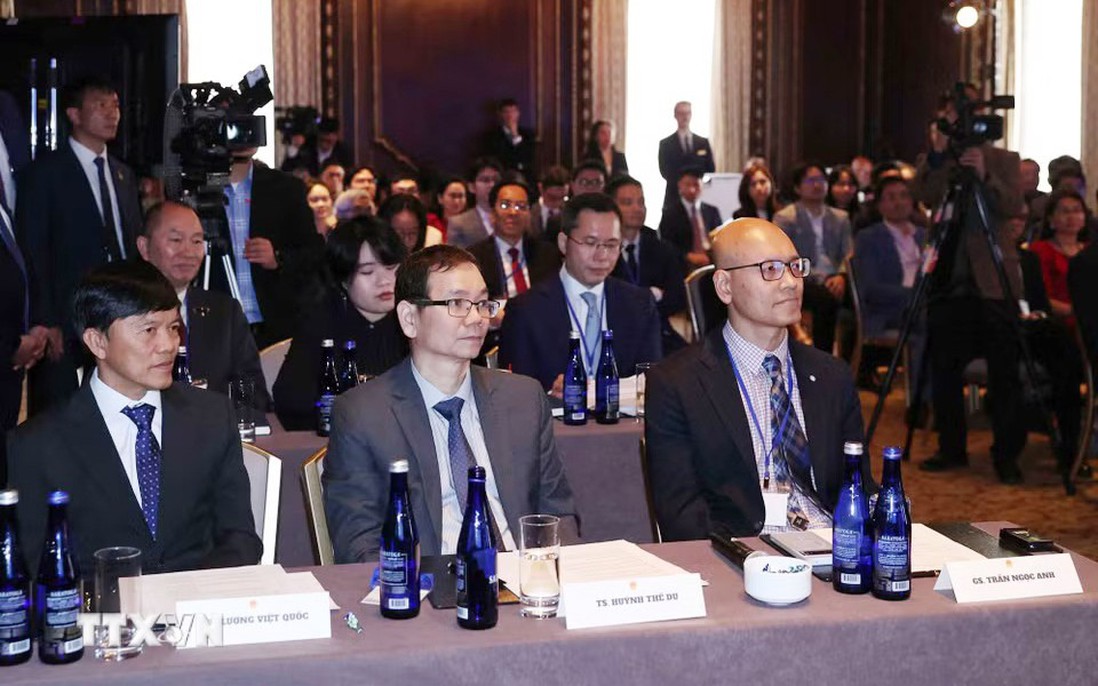
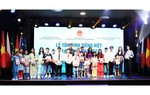
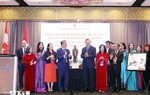
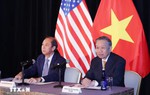
Vietnamese experts and intellectuals in the United States attend a meeting with General Secretary and President To Lam
Resolution No. 23-NQ/TW emphasises accompanying overseas Vietnamese and creating spaces, environments and conditions for overseas Vietnamese intellectuals to join the country's shared journey of nation-building, integration and development.
As science and technology and innovation become increasingly important drivers of development, connecting and harnessing the intellectual resources of overseas Vietnamese, particularly experts and intellectuals working in strategic technology fields, has become an urgent task. Politburo Resolution No. 23-NQ/TW on overseas Vietnamese affairs has set out a new direction, moving from mobilisation and gathering towards accompaniment and the creation of mechanisms, while gradually establishing networks that connect Vietnamese intellectual resources around the world with the country's development needs.
Institutionalising the role of experts
Building on the establishment and development of the Global Vietnamese Artificial Intelligence Expert Network, Mr. Nguyen Phu Binh, Deputy Director of the National Foundation for Science and Technology Development (NAFOSTED), said NAFOSTED had been assigned by the Ministry of Science and Technology's leadership to serve as a focal point for receiving problems and connecting experts in the implementation of national science and technology programmes.
Based on the existing AI network, NAFOSTED will develop a system to manage problems and a network of Vietnamese scientists overseas, with the aim of mobilising these resources to help address challenges facing the country.
According to Mr. Nguyen Phu Binh, the development of strategic technologies should begin with practical problems, rather than simply asking what research questions should be pursued. This means identifying issues that need to be addressed to strengthen national capacity while developing the capabilities of strong research groups. This approach, which he described as "reverse thinking", starts from the practical needs of ministries, sectors and localities.
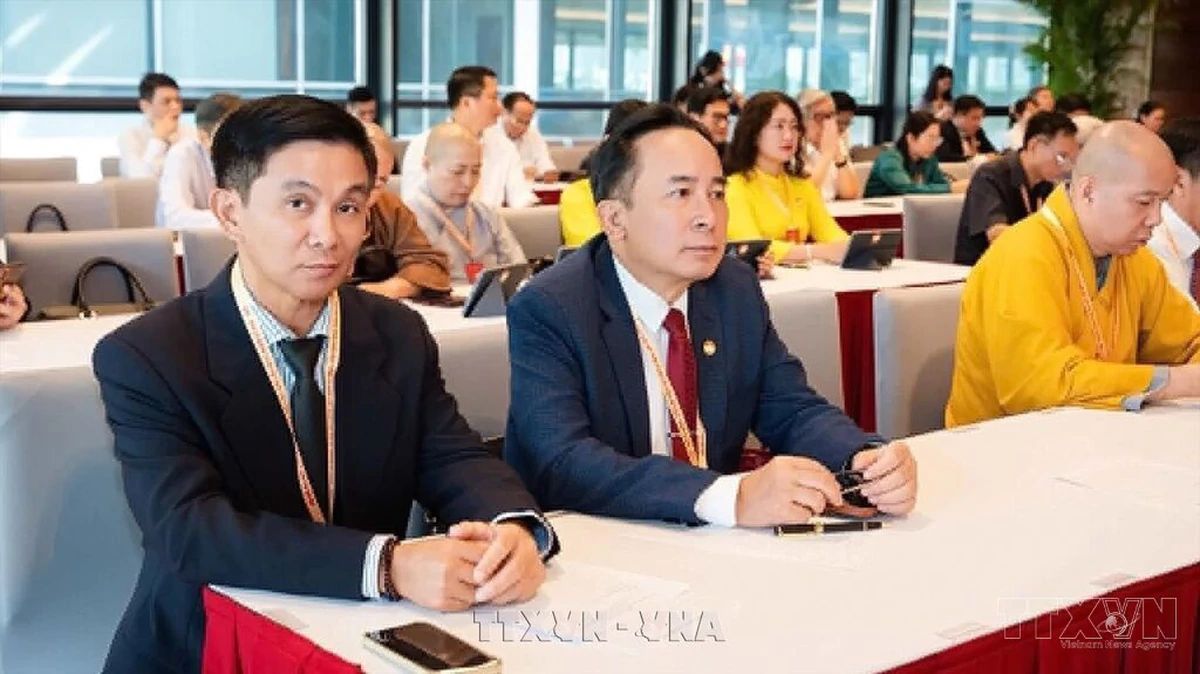
Aerospace engineer Tran Thang (first from left) attends the Congress of the Viet Nam Fatherland Front's Central Committee in January 2026
On this basis, research tasks are identified and research, testing and application are carried out step by step, with the goal of developing products capable of competing with those already available on the market. Therefore, the ultimate goal of strategic technology is not simply research works or prototypes, but products capable of competing in the domestic market and gradually reaching international markets.
In this approach, Mr. Nguyen Phu Binh said the role of experts was particularly important. With 10 strategic technology groups and 30 strategic technology products, it is necessary to further break down major challenges into specific problems and, on that basis, identify appropriate research and development tasks.
"To do this, we need experts to serve as 'chief architects', participating in the design and development of technology problems. They will support the Ministry of Science and Technology, ministries, sectors and localities in translating major technology challenges into more specific problems, while also helping form technology clusters and chains during implementation", the NAFOSTED Deputy Director emphasised.
To ensure that expert networks go beyond simply connecting people and make substantive contributions to solving science and technology challenges, Mr. Nguyen Phu Binh said mechanisms for mobilising and using experts should be further developed. This includes institutionalising the role of experts, particularly core experts, in implementing science and technology tasks, as well as establishing framework contracts and mechanisms for experts to participate regularly in such tasks rather than being engaged on a case-by-case basis.
Mr. Nguyen Phu Binh proposed developing appropriate financial mechanisms, including satisfactory remuneration policies for scientists, to attract and mobilise high-quality resources from both Viet Namand abroad.
Alongside appropriate remuneration, efforts to attract talent also need to clarify intellectual property and confidentiality issues during implementation and establish mechanisms to manage conflicts of interest. Building an expert platform and a database of major challenges would also play an important role in connecting the right experts with the "right people for the right tasks".
Identifying the Right "Questions" for Experts
Drawing on practical experience in establishing and operating expert networks, Ms. Nguyen Thi Ngoc Dung, Chief of Office of the National Data Association and Standing Vice Chairwoman of the Global Data Expert Network (VDEN), said one important lesson was that a network's goals must be ambitious enough to motivate experts to join.
The selection of experts should focus on quality rather than quantity, while trust should be built and the activities of the expert community should not be bureaucratised, but based on voluntary participation.
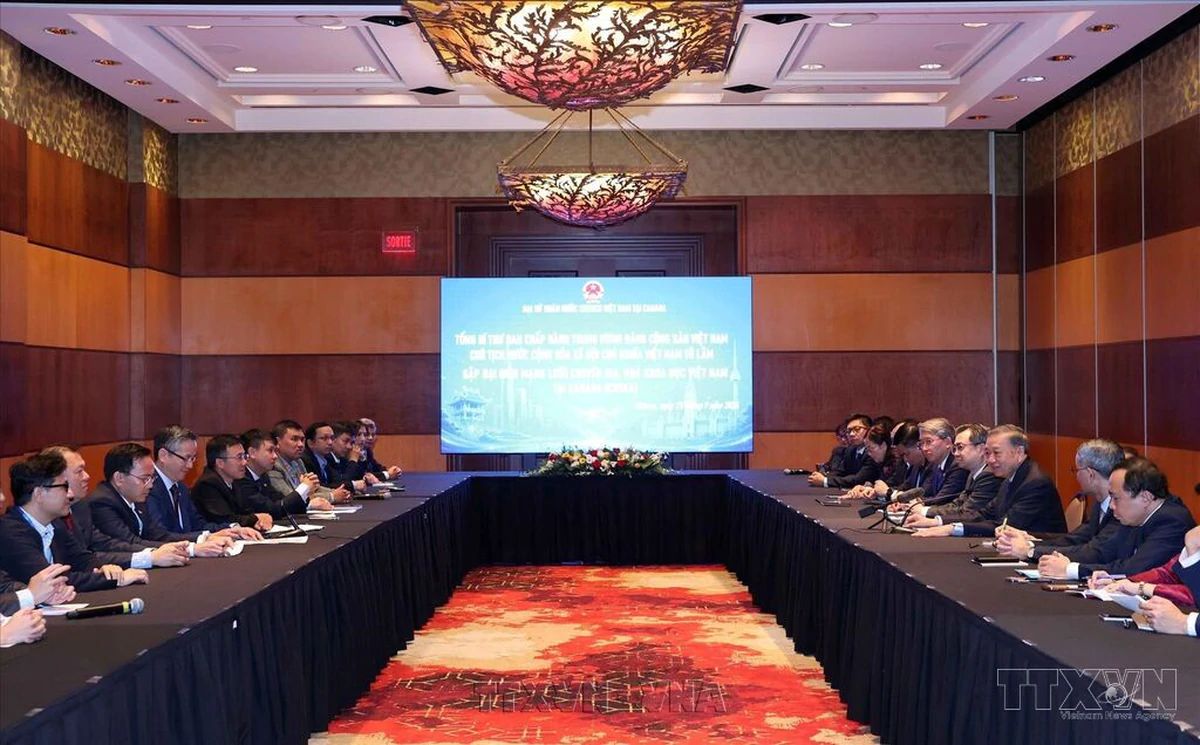
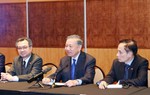
\General Secretary and President To Lam meets representatives of the Vietnamese Scientists and Experts in Canada Network (CVSEA)
According to Ms. Nguyen Thi Ngoc Dung, trust is particularly important in encouraging experts to return to Viet Nam to work and maintain long-term engagement. At the same time, experts' activities need to be linked to practical problems and specific issues that they can help address, allowing them to make full use of their professional expertise.
In addition to identifying the right "questions", Ms. Nguyen Thi Ngoc Dung said the coordination team was a key factor determining a network's ability to be maintained and developed. Coordinators need professional expertise, professionalism and an understanding of the nature of scientific research, rather than simply operating according to administrative instructions, a fixed term or the requirements of a particular event.
She therefore proposed strengthening connections and coordination among expert networks towards a "network of networks", avoiding a situation in which each network operates separately with limited information sharing and coordination. She also proposed building a database of overseas Vietnamese experts to provide a foundation for connecting and mobilising resources according to specific fields and needs.
This would also provide a basis for strengthening connections between supply and demand by compiling and clearly identifying the practical needs and challenges of localities, sectors and businesses.
According to Ms. Nguyen Thi Ngoc Dung, mechanisms should be further developed to enable experts to participate in policy consultation, research, training and technology transfer, particularly in technology-related fields. When presented with specific and appropriate "questions", experts can effectively apply their expertise to seek solutions. Conversely, overly general or inappropriate questions may reduce their motivation to participate.
Building a Connection Platform
On this issue, Deputy Minister of Foreign Affairs Le Thi Thu Hang said Resolution No. 23-NQ/TW sets out numerous solutions and groups of specific measures, assigning tasks to individual ministries, sectors and localities. In particular, the resolution strongly emphasises accompanying overseas Vietnamese and creating spaces, environments and conditions for them to join the country's shared journey of nation-building, integration and development.
The key issue is how to harness the resources and potential of the Vietnamese community overseas, particularly its intellectual resources and strengths in science, technology and innovation.

Ms. Tran Ngoc Thao Sophie (wearing glasses) during a visit to Truong Sa with an overseas Vietnamese delegation from different countries.
There are currently around 6.5 million overseas Vietnamese living in more than 130 countries and territories, including approximately 650,000 people with university degrees or higher. In recent years, numerous expert and intellectual networks have been established, with nearly 2,000 members. These include five innovation and expert networks in strategic technology fields such as artificial intelligence, semiconductors, quantum technology, cybersecurity, aviation, space and unmanned aircraft, as well as connections with around 50 expert and intellectual associations in different countries.
However, the potential of overseas Vietnamese experts and intellectuals has yet to be fully harnessed, while sufficient space, environments and conditions have not been created for them to contribute and devote their expertise.
At meetings between senior Vietnamese leaders and overseas Vietnamese communities, including experts and intellectuals, participants have consistently expressed their desire and aspiration to contribute to and devote themselves to the country. Many have shared deeply held views that remuneration is only one factor, while what they need more is an environment where they can make greater contributions. This involves not only salaries or benefits, but also a healthy working environment, fair competition and greater opportunities to take on responsibility and exercise their expertise.
Deputy Minister Le Thi Thu Hang emphasised the need to study the development of a platform connecting the resources of overseas Vietnamese experts and intellectuals with domestic needs. According to the Deputy Minister, a database of overseas Vietnamese is currently being developed. As an initial step, a database of experts and intellectuals could be established, while the name, organisational model and operating mechanism of an appropriate connection platform could also be studied.
Establishing expert networks that operate substantively and are linked to specific challenges facing the country, thereby connecting Vietnamese intellectual resources around the world with domestic development needs, will be an important way to put into practice the spirit of Resolution No. 23-NQ/TW on harnessing the resources of overseas Vietnamese.