Opening global "connecting points" gathering and "activating" Vietnamese resources


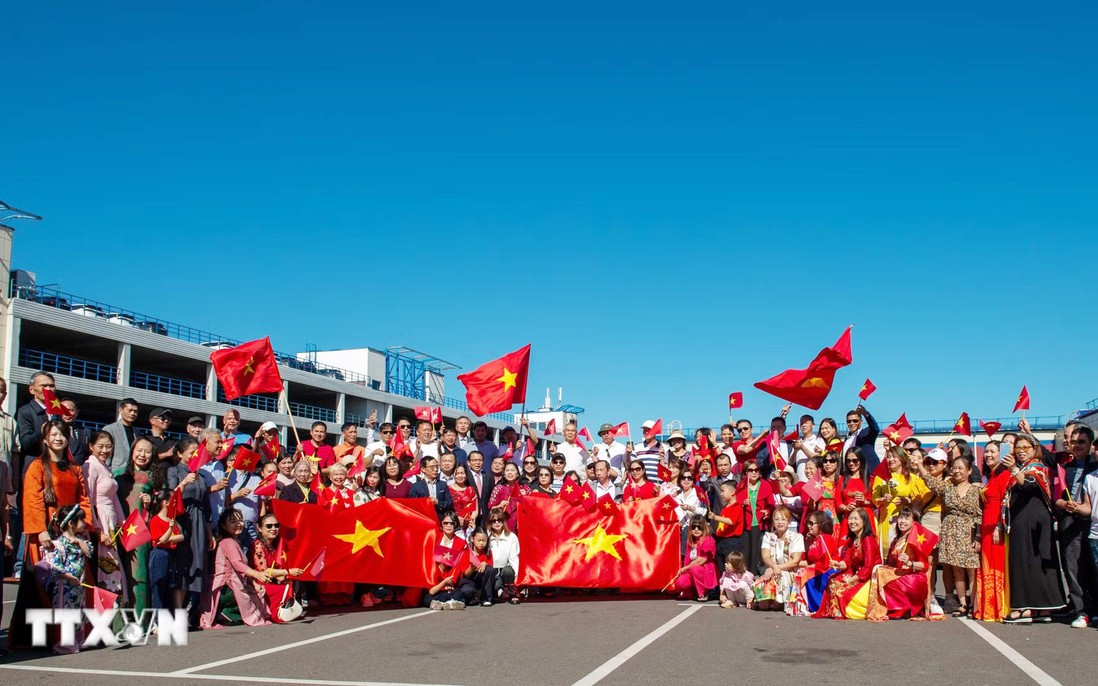
The Vietnamese community in Belarus held a community gathering to celebrate National Day
Resolution No. 23-NQ/TW is a continuation of Resolution No. 36-NQ/TW, inheriting the spirit of national unity while developing a new approach to work related to Vietnamese people abroad.
To mobilize resources from overseas Vietnamese, the role of Vietnamese representative agencies abroad cannot be overlooked. These agencies are not only places for carrying out traditional consular or diplomatic work, but also serve as a "connecting point" between the overseas Vietnamese community and the development needs of the country.
From "mobilizing" to "connecting" resources
Immediately after Resolution No. 23-NQ/TW was issued, the Vietnamese Embassy in the Russian Federation held discussions with the leaders of the Union of Vietnamese Organizations in the Russian Federation and received positive feedback from the community.
Vietnamese Ambassador to Russia Dang Minh Khoi particularly appreciated the orientation of leveraging the strategic resources of overseas Vietnamese to serve the country's development, especially in the fields of science, technology, innovation, digital transformation, artificial intelligence, semiconductors, biotechnology and the startup ecosystem.
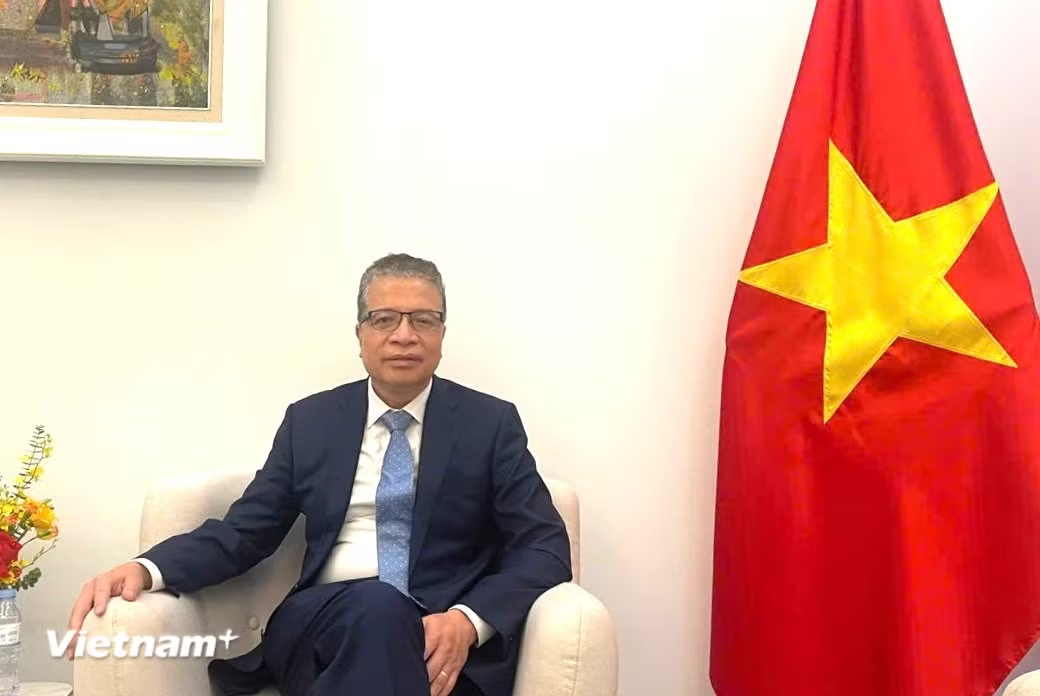
Vietnamese Ambassador to Russia Dang Minh Khoi. (Photo: Minh Thu/Vietnam+)
"In my opinion, the most important innovation is the shift in mindset. Previously, the focus was on mobilizing and attracting overseas Vietnamese to return to their homeland, but now the Resolution emphasizes creating conditions for overseas Vietnamese to truly become an integral part of the national community, participating more deeply in the cause of building, developing and protecting the Fatherland. This is a strategic step forward", Ambassador Dang Minh Khoi said.
In fact, many of the resolution's provisions have been implemented by representative agencies for many years, such as teaching Vietnamese, supporting the activities of associations and creating conditions for overseas Vietnamese to maintain ties with their homeland while integrating well into their host countries. When the resolution is issued, these tasks will have a clearer political basis and direction for more coordinated and effective implementation.
"The important thing is not to disseminate the resolution in the traditional way, but to let the people feel the concern of the Party and the State through specific policies as well as innovations in daily community work", Ambassador Dang Minh Khoi emphasized.
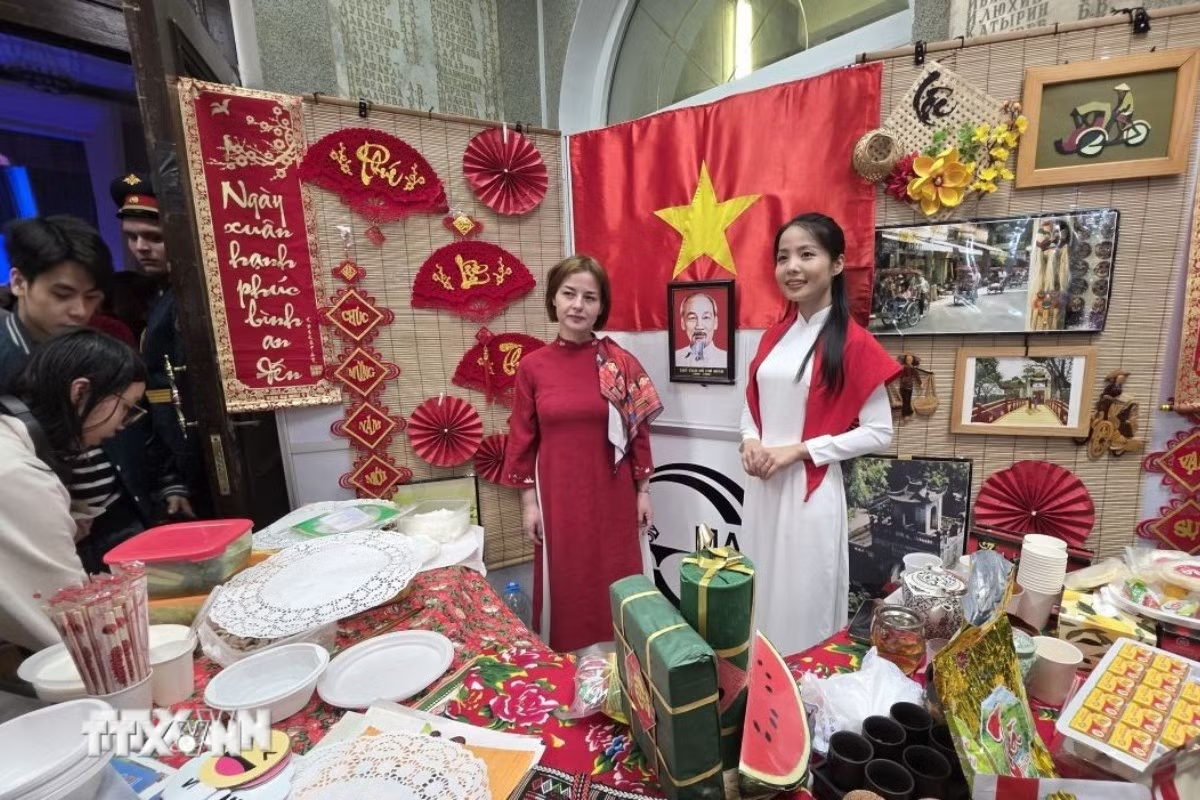
Vietnamese students introduce Vietnamese culture in Russia. (Photo: VNA)
Vietnamese Consul General in San Francisco (USA), Hoang Anh Tuan, stated that Resolution No. 23-NQ/TW is a continuation of Resolution No. 36-NQ/TW, inheriting the spirit of national unity, while developing a new approach to work related to Vietnamese people abroad.
According to Mr. Hoang Anh Tuan, the Resolution will create further impetus in attracting resources and intellectual capital from overseas Vietnamese, thereby enhancing their effective contribution to the socio-economic development of the country.
With Resolution No. 23-NQ/TW, Consul General Hoang Anh Tuan hopes that representative agencies will have more favorable conditions to promote activities to attract and utilize resources from overseas Vietnamese.
According to Mr. Hoang Anh Tuan, the Resolution reflects the determination of the Party and State leaders and the entire political system to more fully recognize the role of the Vietnamese community abroad, acknowledge the contributions of overseas Vietnamese, and at the same time innovate methods of mobilizing resources.
Proactively identify talent
To effectively leverage the resources of the Vietnamese community abroad and contribute to national development in the new era, Vietnamese Ambassador to Japan Pham Quang Hieu suggested that representative agencies should proactively identify resources, form networks of experts and entrepreneurs in each field; connect these associations with localities and businesses in Vietnam, and monitor and support these connections to develop into long-term cooperation programs.
Representative offices need to gradually become centers for connecting knowledge, technology and even innovation for Vietnam abroad.
In addition, it is necessary to build specialized cooperation networks of overseas Vietnamese on a global scale, linked to the country's development programs in fields that urgently need high technology.
The connection should not be limited to the host country but should be ready to expand to professional associations globally. Currently, Vietnamese experts and intellectuals, including those in the semiconductor field, are ready and able to play a core role in building these networks.
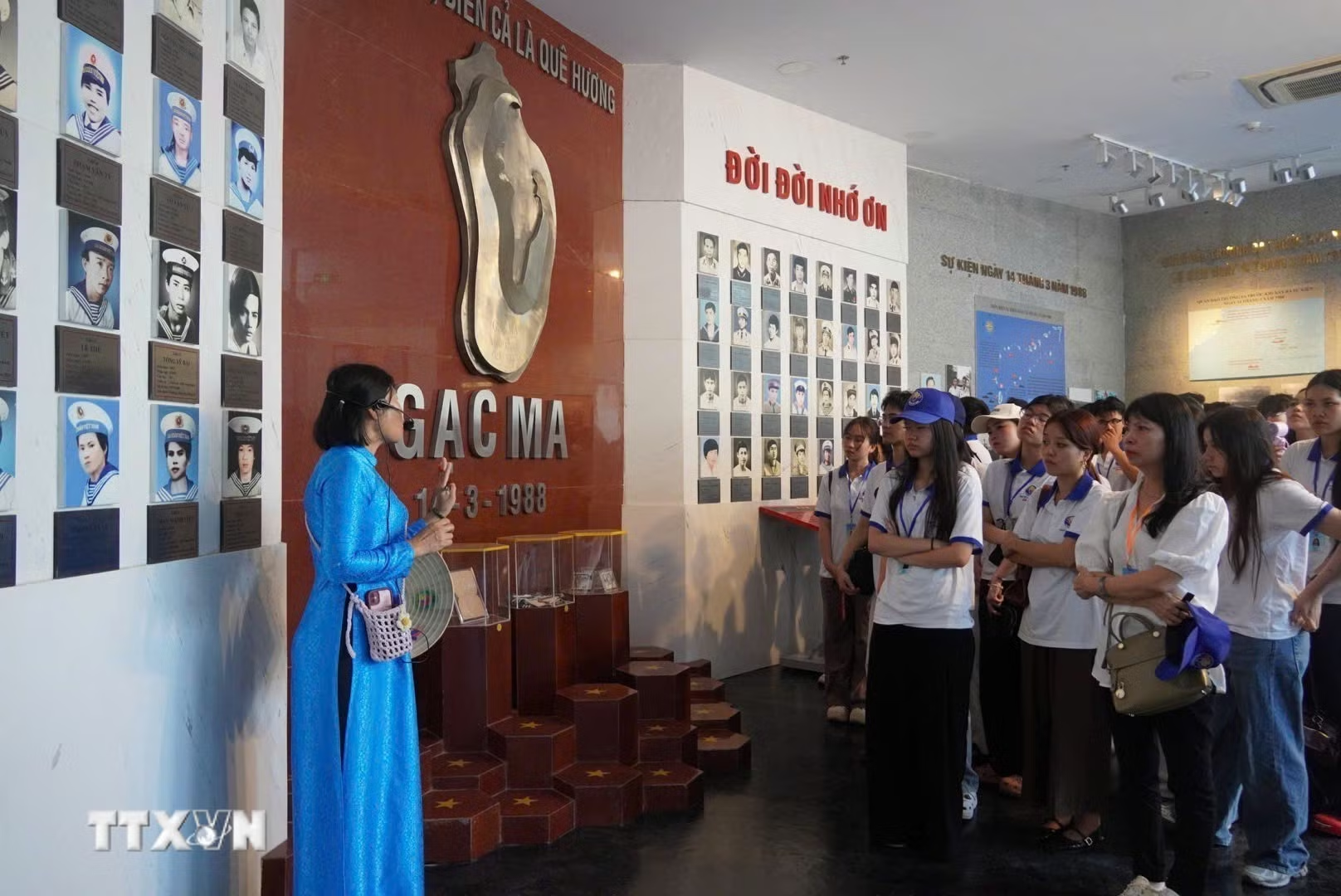
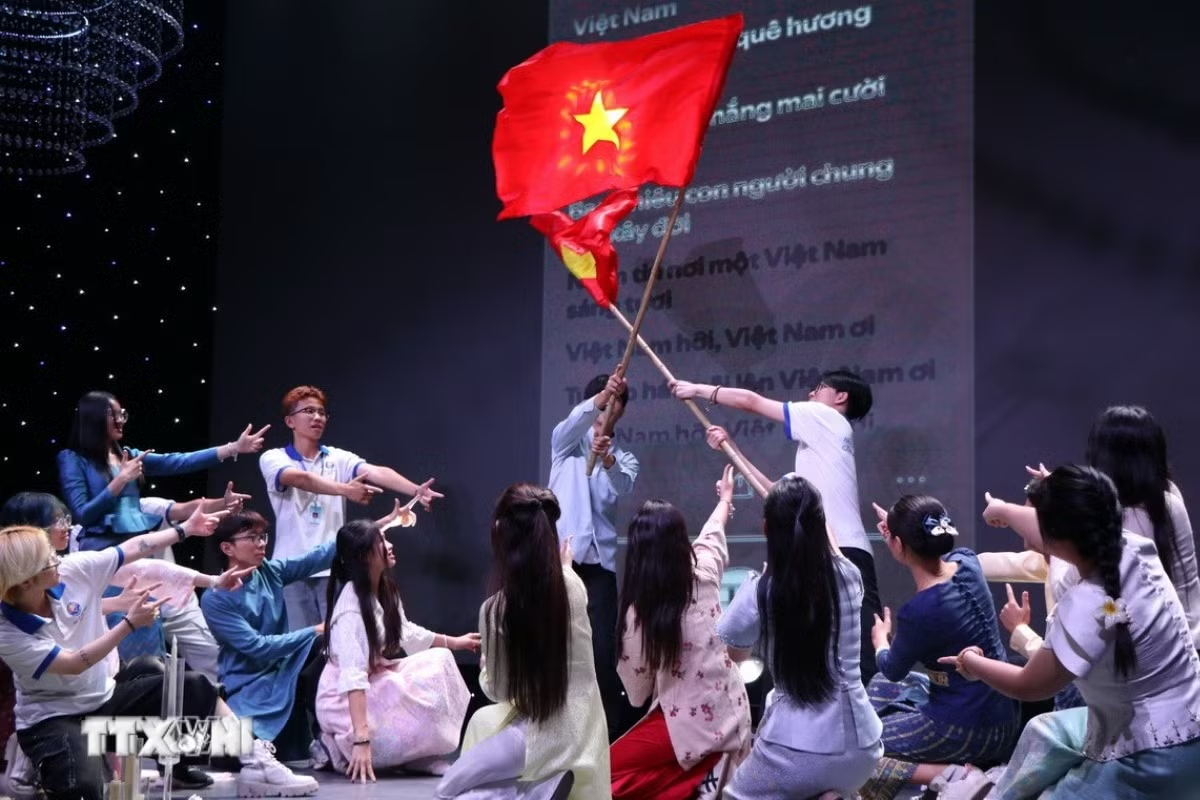
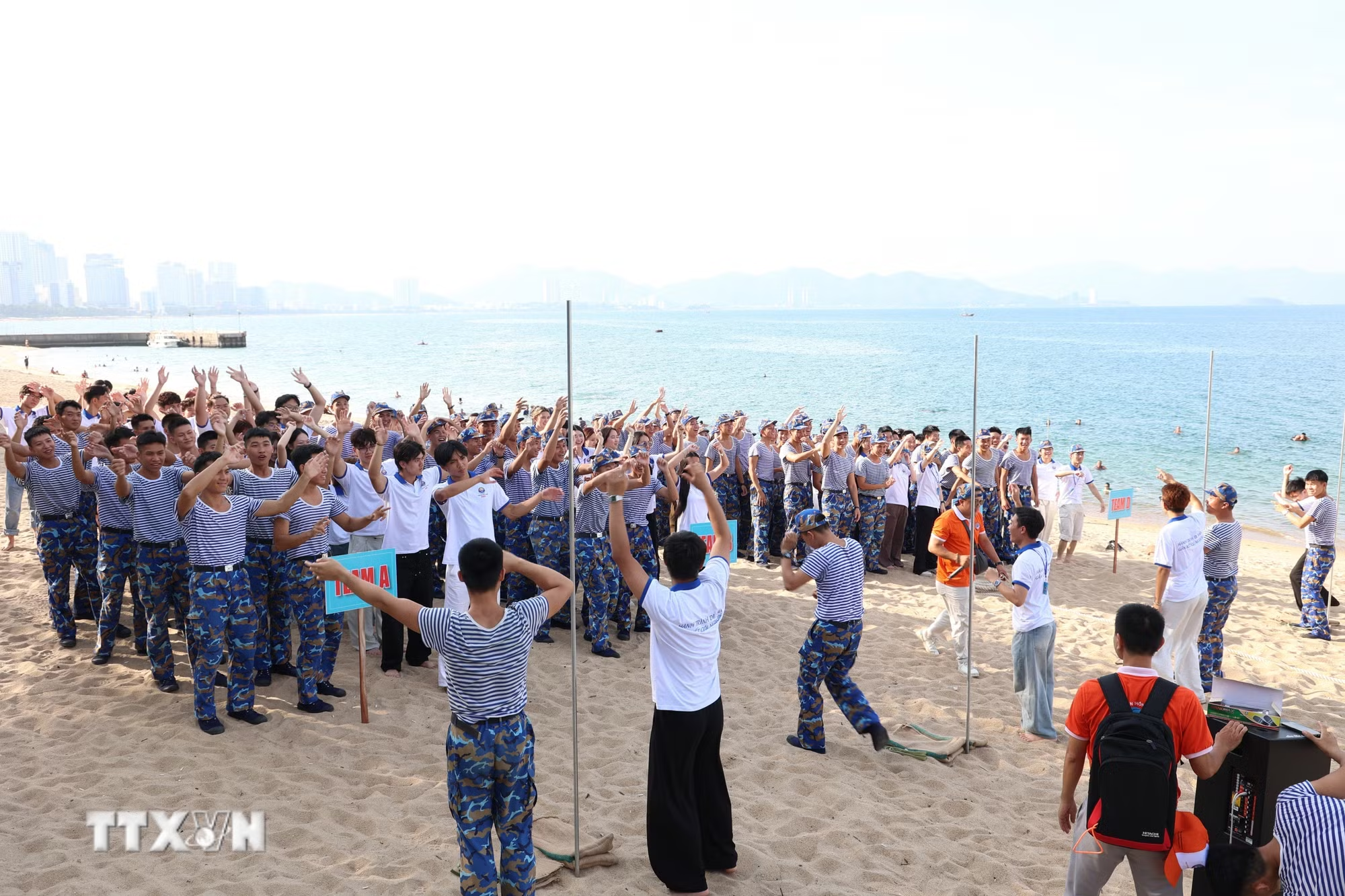
The Vietnam Summer Camp program contributes to strengthening the bond between overseas Vietnamese youth and their homeland. (Photo: Dang Tuan/VNA)
Ambassador Pham Quang Hieu proposed the need to quickly build a digital database of experts, scientists, entrepreneurs, and the network of Vietnamese people abroad so that representative agencies and ministries can proactively connect, mobilize, and effectively utilize this resource. This is also a very practical approach in line with the requirements of Resolution No. 23-NQ/TW.
According to Ambassador Pham Quang Hieu, the Vietnamese community in Japan currently numbers over 700,000 people, making it the second largest foreign community in Japan. Approximately 30% are intellectuals, professionals, and students, while over 50% are workers, engineers, and trainees. Notably, around 1,000 highly qualified intellectuals and scientists have emerged, playing important roles in Japan. Among them are nearly 300 professors and associate professors from the 70s and 80s generations working at leading Japanese universities, research institutes, and technology companies in strategic technology fields.
Alongside this, a dynamic generation of Vietnamese entrepreneurs is emerging in Japan. Many businesses have shifted from traditional trade to high-tech fields, digital transformation, artificial intelligence, logistics, and supporting technologies. In the information technology sector alone, there are currently around 100 Vietnamese businesses operating, generating approximately $1 billion in revenue annually. This is a crucial force in connecting investment, technology and markets between the two countries.
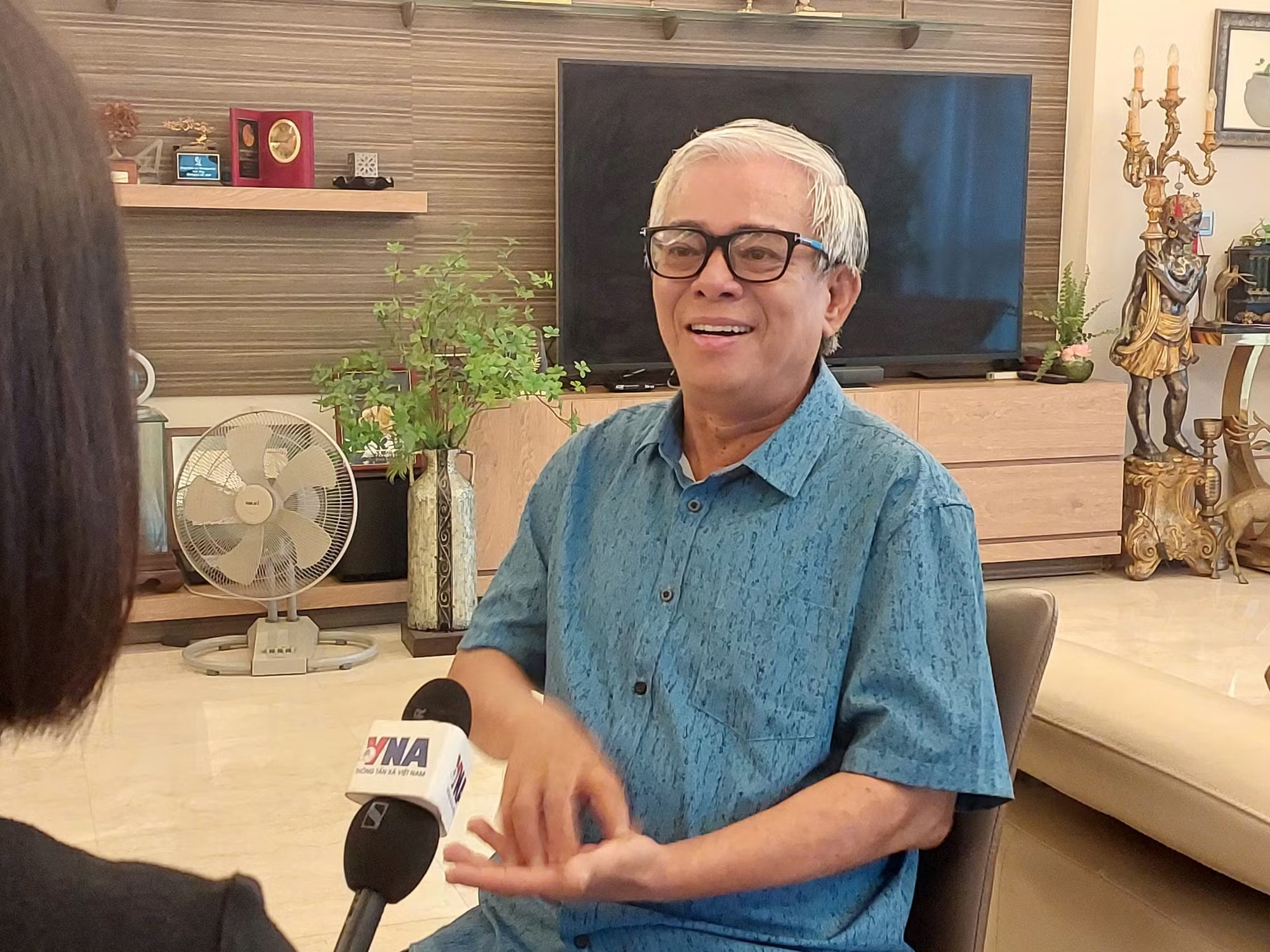
Ambassador Pham Quang Vinh, former Deputy Minister of Foreign Affairs, answers questions from VietnamPlus online newspaper. (Photo: Minh Thu/Vietnam+)
Sharing this view, Ambassador Pham Quang Vinh, former Deputy Minister of Foreign Affairs, believes that Vietnamese representative offices abroad should become strategic centers connecting overseas Vietnamese with their homeland, and with each other in their host countries.
"Recent Resolution 23 also clearly outlines the role of diplomatic missions in coordinating with the domestic sector to build a map of overseas Vietnamese resources, meaning that data on overseas Vietnamese with potential and resources that can contribute to the country must be digitized. Diplomatic missions must have a very clear understanding of domestic needs, for example, what semiconductor and chip technology is needed, so that they can connect supply and demand, form a network of ministries, agencies, organizations, localities, and especially businesses to act as a bridge and leverage overseas Vietnamese resources," Ambassador Pham Quang Vinh emphasized.