Promoting Vietnamese women’s participation in climate and environmental policymaking


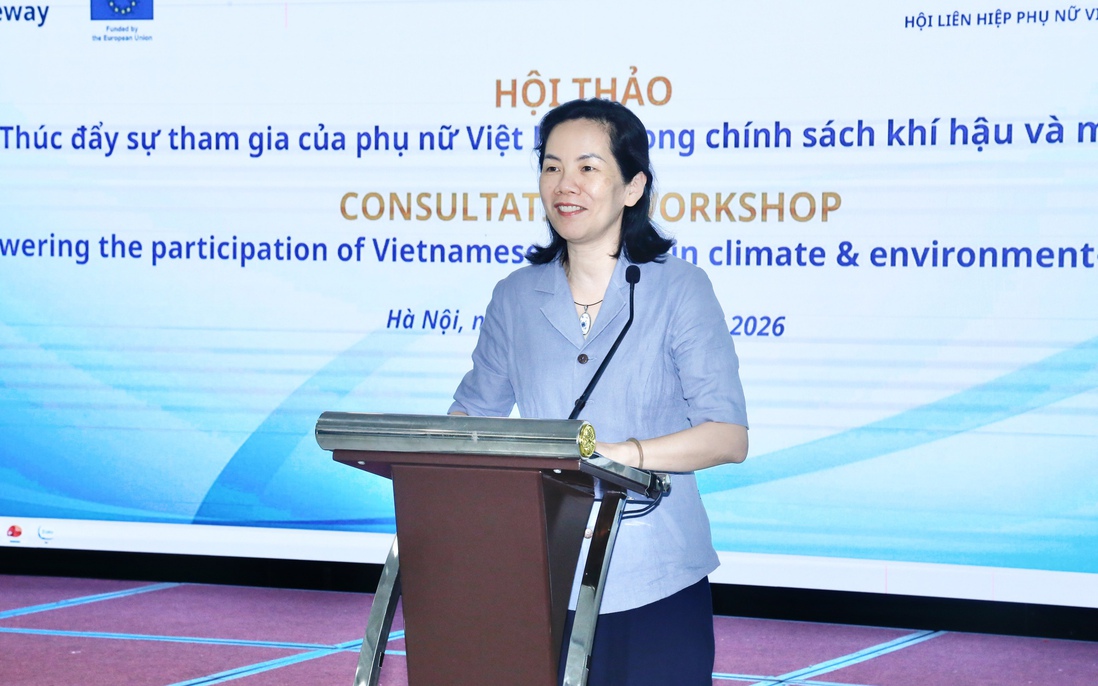
Nguyễn Thị Minh Hương, Vice President of the Vietnam Women’s Union, speaks at the workshop
Within the framework of the EU-funded technical assistance project “EU-Viet Nam Women-led Green Partnership”, the Central Committee of the Vietnam Women’s Union on 24 April held a workshop titled “Promoting Vietnamese women’s participation in climate and environmental policies”. The event aimed to share initial review findings on the role and participation of women and the Vietnam Women’s Union in monitoring and implementing a number of policies on climate change and environmental protection.
The workshop was chaired by Nguyễn Thị Minh Hương, Vice President of the Vietnam Women's Union, and attended by representatives of the EU Delegation, leaders of ministries and sectors, and representatives of Women's Unions from provinces and cities where the project is being implemented.
As climate change becomes an existential challenge to sustainable development globally, Viet Nam is among the countries most heavily affected. However, rather than viewing women solely as a vulnerable group, a strategic shift in thinking increasingly recognises them as key actors holding crucial roles in climate adaptation and environmental resource governance.
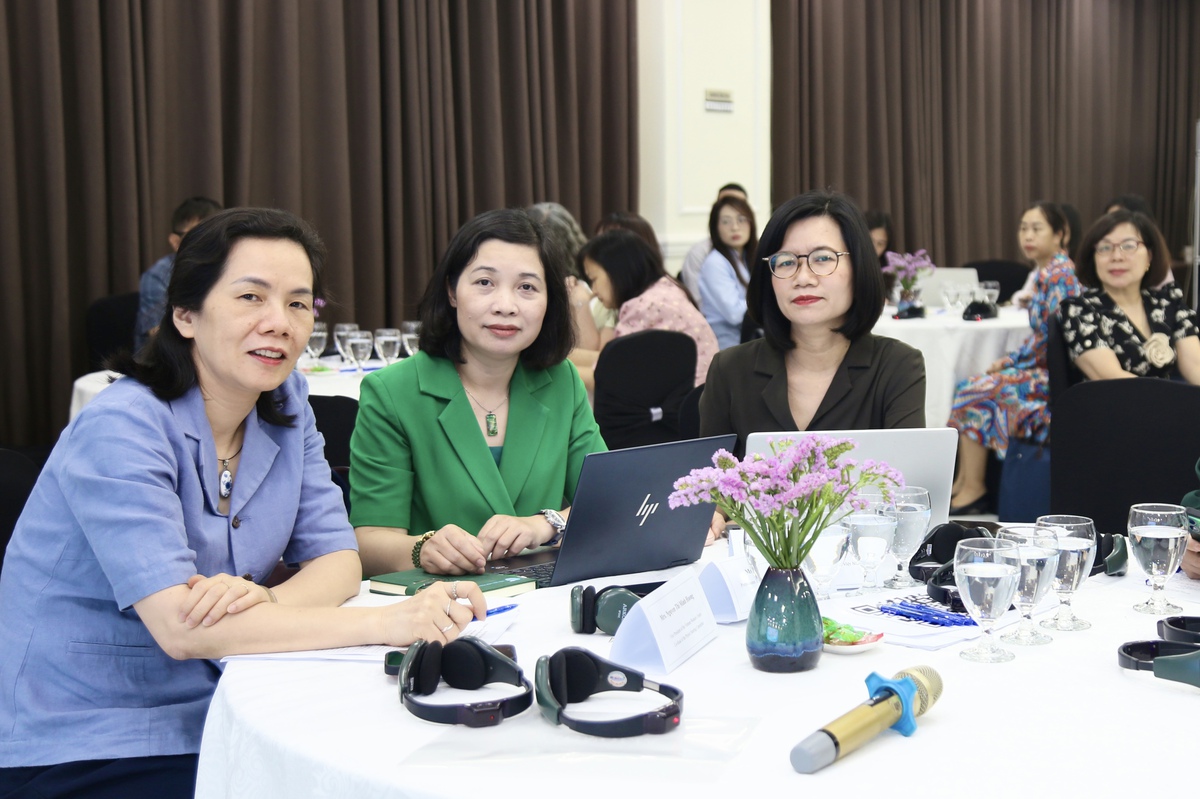
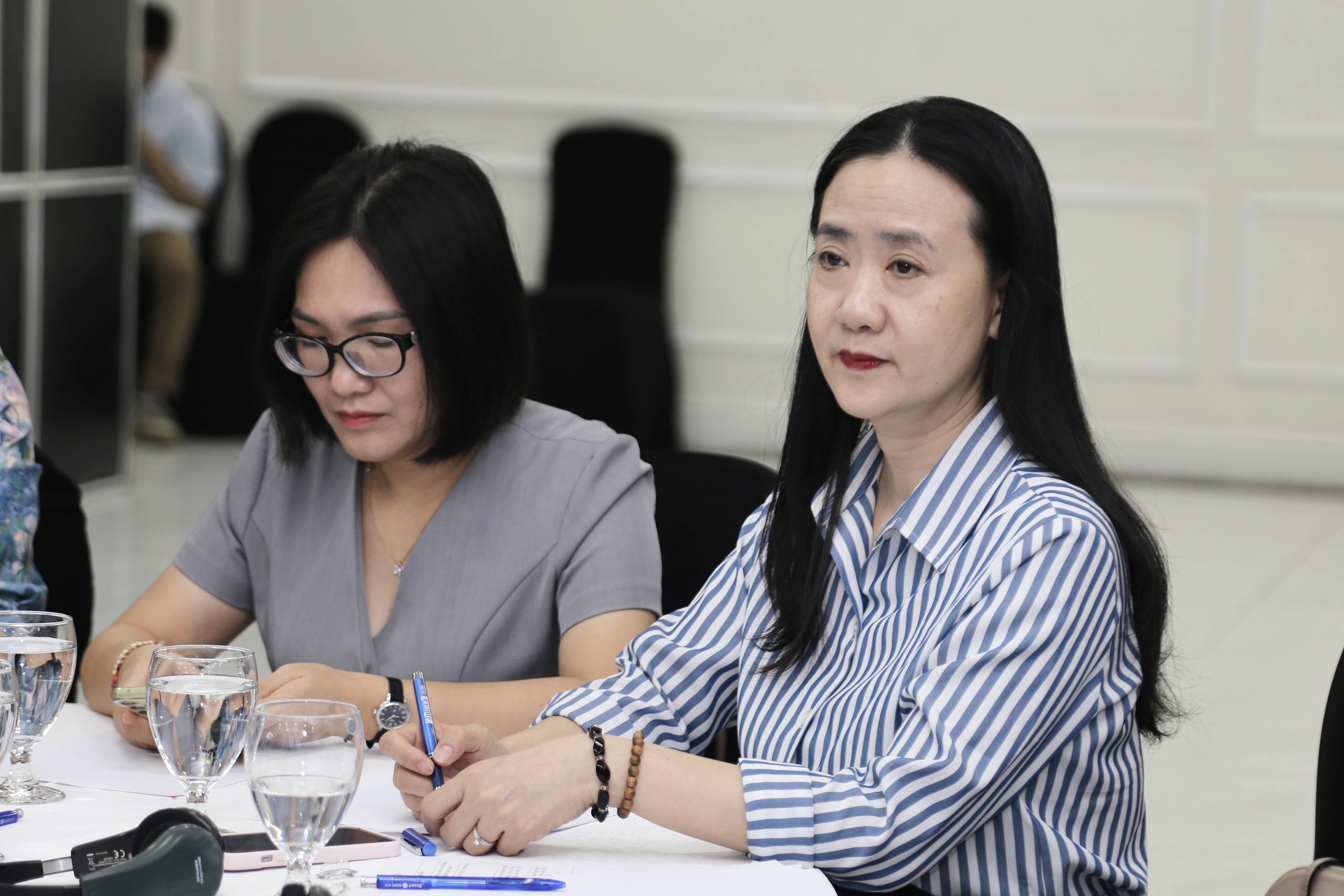
Vice President Nguyễn Thị Minh Hương (left) and leaders of the Union’s Department of Women’s Affairs attend the workshop.
Speaking at the event, Nguyễn Thị Minh Hương said the Vietnamese Government has demonstrated strong commitment to climate response and environmental protection through the issuance and implementation of major policies. In particular, Viet Nam is gradually integrating gender equality into related policies and programmes, while promoting women's roles, capacity and participation in climate adaptation, disaster risk management, and the development of a green and circular economy.
In the time ahead, in line with the Party's orientation on rapid and sustainable development associated with environmental protection and proactive climate response, as well as the commitment to achieving net-zero emissions, the Government will continue to refine institutions and policies, mobilise and effectively use resources, and promote green and digital transformation, circular economy and low-carbon development. At the same time, it will create more favourable conditions for women to participate more deeply in the formulation, implementation and supervision of climate and environmental policies, thereby enhancing the effectiveness, inclusiveness and sustainability of national development.
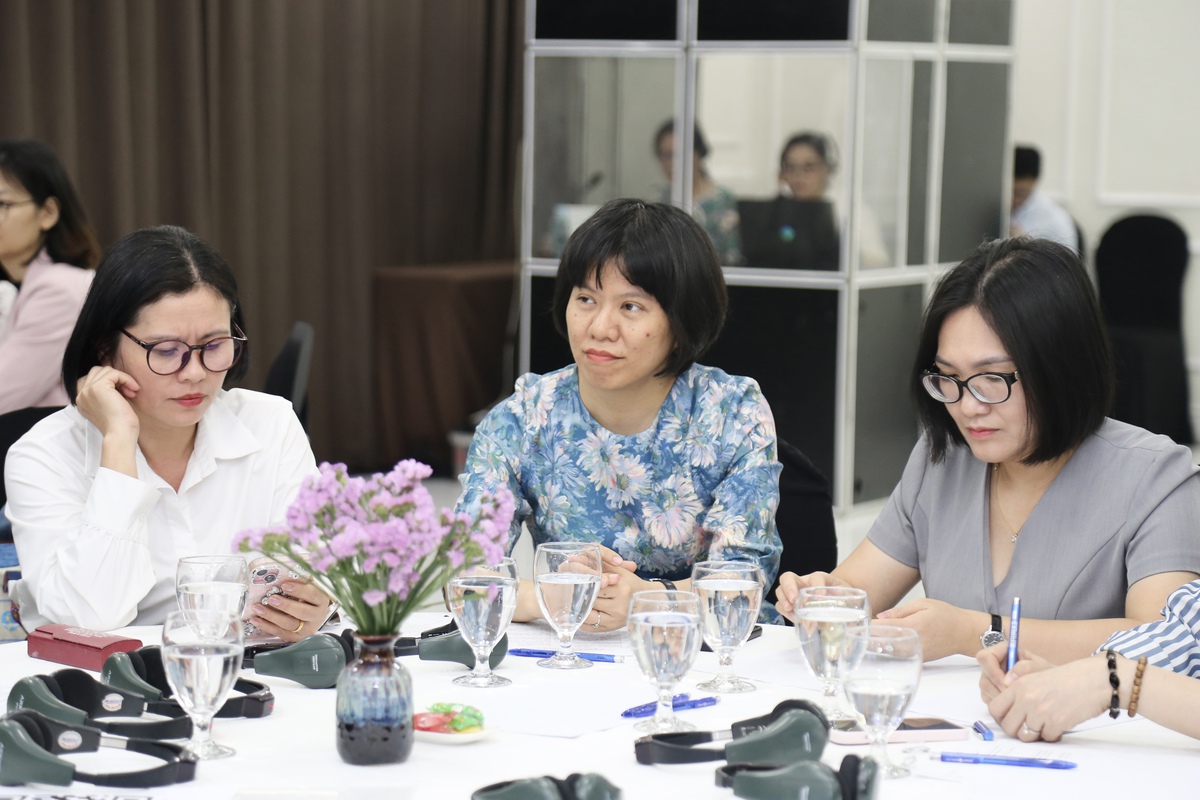
Delegates at the workshop.
To affirm women's role in climate policy not only in terms of presence but also in the quality of participation, the Vietnam Women's Union has proactively integrated environmental issues into its core movements. A notable example is the campaign "Building families with five no's and three clean's", which has not only improved household living conditions but also contributed directly to the National Target Programme on New Rural Development. Nearly 10,000 environmental protection models, ranging from waste sorting at source to recycling plastic waste into livelihoods, demonstrate women's creativity. These efforts go beyond maintaining "clean homes and beautiful gardens", evolving into circular economic models that help reduce negative impacts on ecosystems and oceans.
However, to fully realise this role, institutional review and improvement remain an urgent requirement. The Vice President of VWU expressed hope that the research findings presented at the workshop would serve as an important basis for practical recommendations. "We need policy mechanisms that are not only inclusive but also create the most favourable conditions for women to engage more deeply in decision-making processes. Close coordination among ministries, sectors, international organisations and experts will be key to transforming local initiatives into national policy standards," she said.
As the Vietnam Women's Union prepares for its 2026–2031 term, enhancing women's role in the green transition becomes increasingly important. Support from international partners such as the European Union provides not only technical resources but also helps Viet Nam connect with global standards and sustainable values. The green transition is not merely a technological shift but also a transformation in social thinking, where every woman becomes a responsible and empowered "green ambassador".
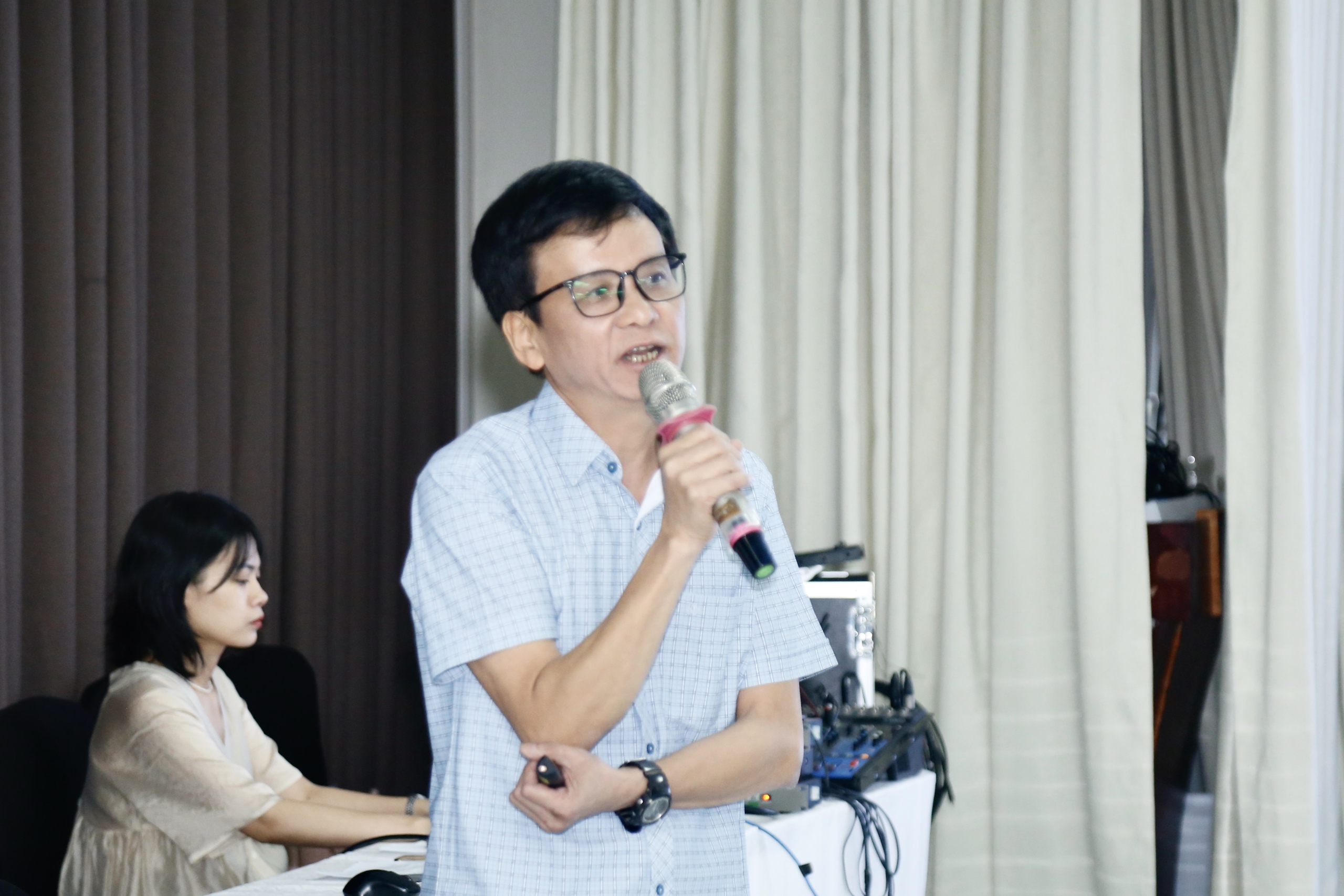
Nguyễn Văn Anh, gender equality expert from the Technical Assistance Team (TAT), presents initial review findings on the role and participation of women and the Vietnam Women’s Union in monitoring and implementing climate change and environmental protection policies.
At the workshop, participants shared experiences, effective models and practical insights, while discussing issues related to women's participation in building, implementing and monitoring policies and programmes on climate change, disaster prevention and environmental protection. Based on these exchanges, the Vietnam Women's Union expects to put forward concrete and feasible recommendations to improve policies and strengthen coordination among central and local authorities, as well as between domestic and international organisations, thereby further promoting women's role in sustainable development.
The "EU-Viet Nam Women-led Green Partnership" technical assistance project is funded by the European Union and implemented by the Vietnam Women's Union. It is currently being carried out in Lào Cai, Thanh Hoá, Huế, An Giang and Cà Mau, and is expected to expand to Tuyên Quang, Khánh Hoà and Đắk Lắk in the next phase.
These localities are among those most affected by climate change, where women are not only impacted but also play a vital role in livelihoods, resource management and environmental adaptation.