Hung Kings Commemoration Day: Identity in the Hearts of Overseas Vietnamese


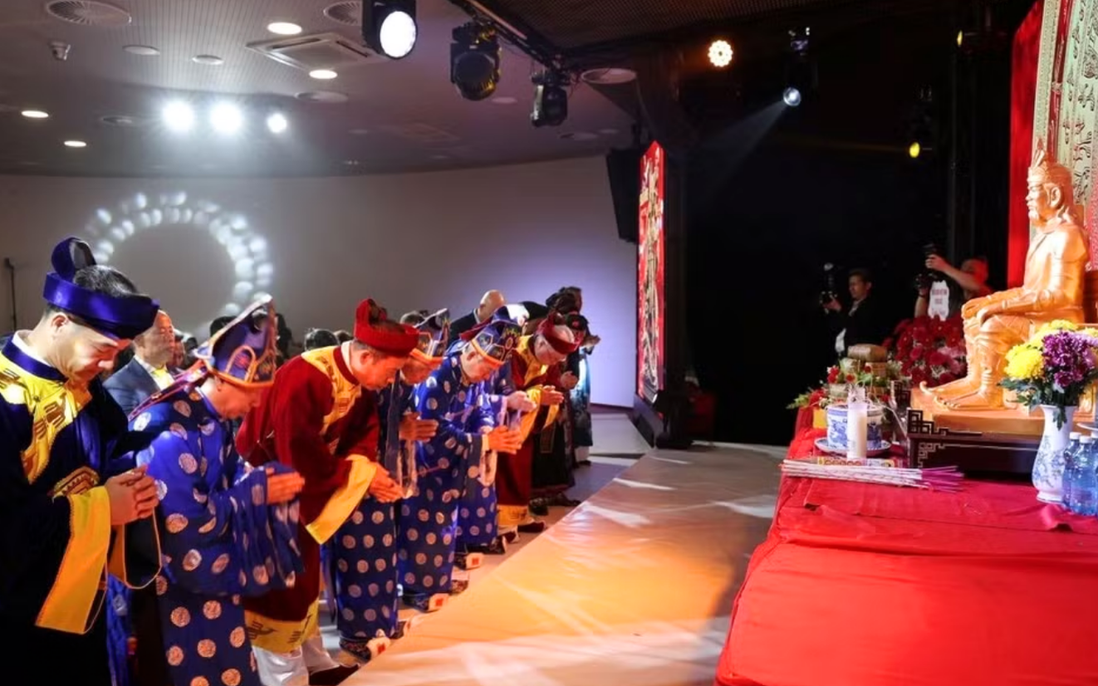
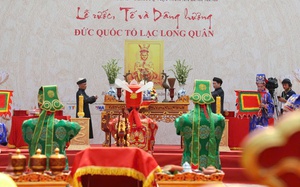
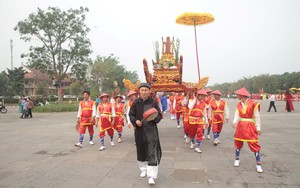
Members of the ritual team conduct the most solemn rites of the Hùng Kings Commemoration Day in the Czech Republic. Photo: Việt Thắng/VNA
The Hùng Kings Commemoration Day is not merely an act of remembrance but a convergence of tradition and identity, bringing the pulse of the homeland to the lives of an estimated six million Vietnamese living abroad.
Across the world, from Thailand and South Korea to distant locations such as Canada, Vietnamese communities continue to turn towards their roots each third lunar month through a sacred ritual that transcends geography and differences in living environments. Over time, this shared practice has become a durable cultural thread, sustaining an inner strength that accompanies the nation's development journey.
In solemn yet warm settings, overseas Vietnamese gather with associations and community groups to offer incense in tribute to the Hùng Kings. Traditional offerings such as bánh chưng, bánh dày, flowers, tea and fruit carry not only ritual meaning but also the weight of cultural memory preserved far from home.
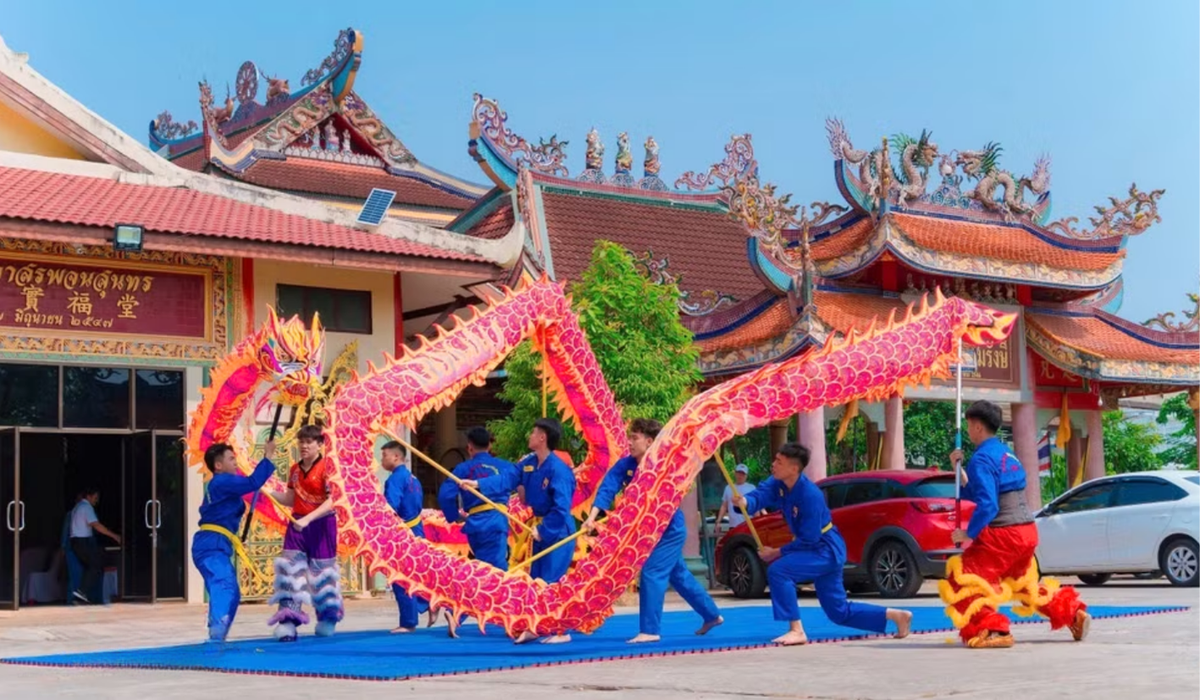
1.A lion and dragon dance performance by the Vietnam Lion and Dragon Dance Federation at the ceremony in Udon Thani (Thailand). Photo: VNA
This is not only a commemorative activity but a meeting point of heritage and identity, where the spiritual lifeblood of the homeland resonates with Vietnamese communities across more than 130 countries and territories.
In Udon Thani province in north-eastern Thailand, the commemoration has long served as a familiar gathering point for the Vietnamese community. According to Lương Xuân Hòa, Chairman of the Vietnamese Association in Udon Thani, maintaining the ritual helps remind successive generations of their national origins. Even for those born and raised abroad, a sense of Vietnamese identity endures, sustained through shared cultural values and a continued connection to the homeland.
For artist Trọng Trinh, Chairman of the Viet Nam Lion and Dragon Dance Federation, attending the ceremony with overseas Vietnamese for the first time left a strong impression. He noted that regardless of location, attachment to the homeland and awareness of one's roots remain deeply embedded among Vietnamese people.
In Canada, the commemoration has become an occasion for Vietnamese communities from different regions to come together and strengthen bonds. Phan Quỳnh Trang, a Vietnamese resident in Toronto, observed that such activities help younger generations born overseas better understand their origins and cultural identity. Echoing this view, Trần Hòa Phương stressed the responsibility of older generations to pass on the Vietnamese language, customs and cultural values.
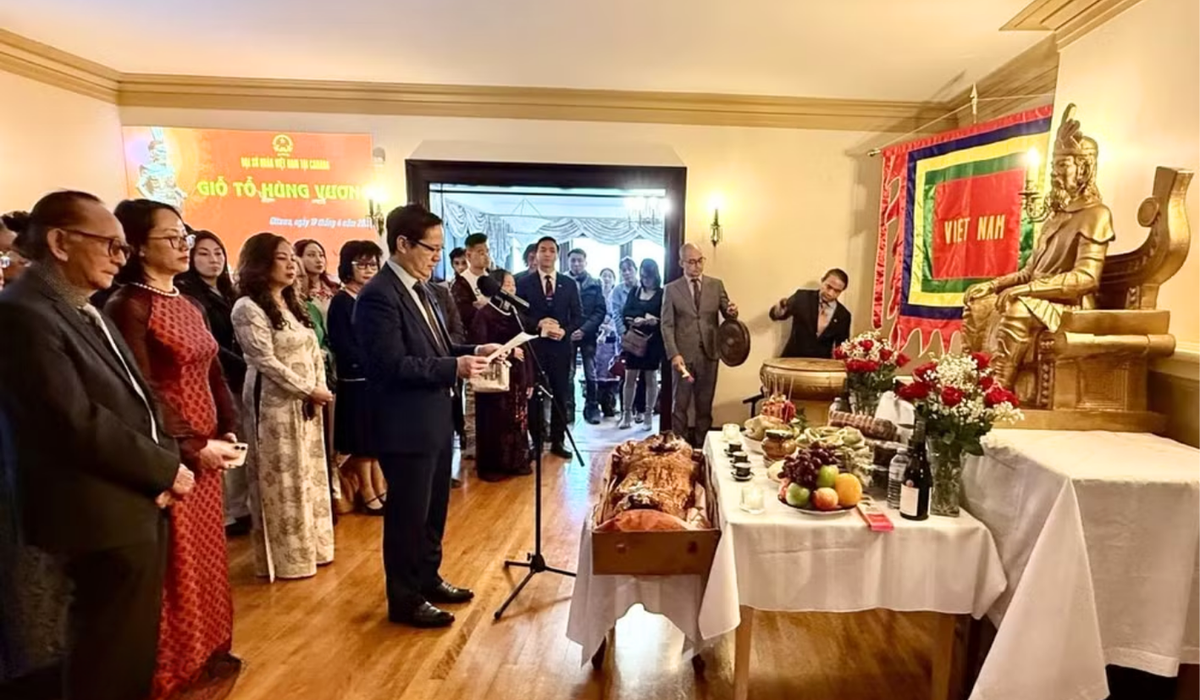
Việt Nam’s Ambassador to Canada Phạm Vinh Quang reports on achievements of Vietnamese representative agencies in Canada and honours contributions of the Vietnamese community. Photo: Thanh Hải/VNA
Beyond preserving heritage, Hùng Kings Commemoration activities abroad have expanded in scope, increasingly serving as symbols of unity and vehicles for cultural exchange in a globalised context. Viet Nam's Ambassador to South Korea, Vũ Hồ, emphasised that the commemoration helps reinforce cultural identity while fostering community cohesion overseas. It also creates opportunities for Vietnamese culture to integrate into host societies, contributing to cultural diplomacy and mutual understanding among nations.
Kim Seon Mi, Head of the Global Vietnamese Ancestral Day Project in South Korea, noted that incense-offering ceremonies not only honour ancestors but also help build cultural and spiritual spaces for overseas Vietnamese communities, strengthening connections and reinforcing identity in an era of integration.
A common feature across locations is the proactive role of communities in maintaining and reinterpreting the Worship of the Hùng Kings, recognised by UNESCO as an Intangible Cultural Heritage of Humanity. This demonstrates that culture is not only a spiritual foundation but also an endogenous resource that fosters cohesion and amplifies national strength.
The reach of culture can also transcend language barriers. Fernando Coelho, a Portuguese attendee at a ceremony in Canada, shared that even without understanding all the speeches, he could clearly feel the solemn atmosphere and sense of community. Such experiences, he noted, nurture mutual understanding grounded in shared cultural and human values.
In current development thinking, the cultural life of overseas Vietnamese reflects the growing recognition of culture as a key internal resource.
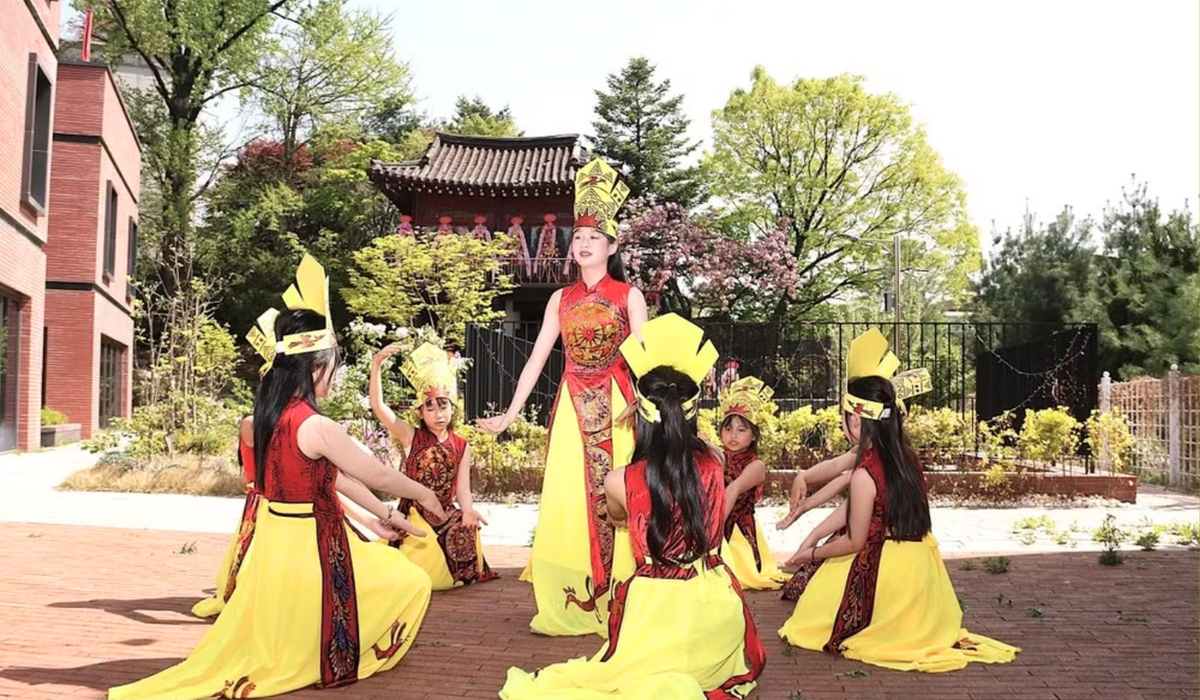
3.Children from Vietnamese-Korean multicultural families perform a traditional dance. Photo: Khánh Vân/VNA
Resolution 80-NQ/TW of the Politburo of the Central Committee of the Communist Party of Viet Nam identifies that the development of culture and the human are both the foundation and the motivation for sustainable development, and emphasises the need to tightly link culture and international integration.
According to UNESCO, this approach shows a transformation in the perception on development, as culture is not only an additional area but one of the equal pillars of sustainable development, alongside the economy, society and the environment.
Amid rising geopolitical uncertainties, the need for dialogue and cultural connection has become more pressing, functioning as a stabilising force that promotes cooperation and contributes to global peace. Albina Sergeevna Legostaeva, Head of Exhibitions and Permanent Collections at the State Museum of Oriental Art in Russia, argued that culture is not only a spiritual foundation but also a strategic national asset. Its diffusion, akin to soft power, enables deeper and more proactive international integration.
In this context, the continued observance of Hùng Kings Commemoration rituals by overseas Vietnamese not only preserves national identity but also illustrates the organic spread of Vietnamese culture beyond national borders, becoming part of the broader global cultural flow.
Throughout the country's history of nation-building and defence, unity, patriotism and self-reliance have remained central threads connecting Vietnamese communities. Today, both within and beyond the country, Vietnamese people continue to recognise their role in preserving and advancing national development. From this shared cultural foundation, internal strength is continually transformed into momentum for growth.
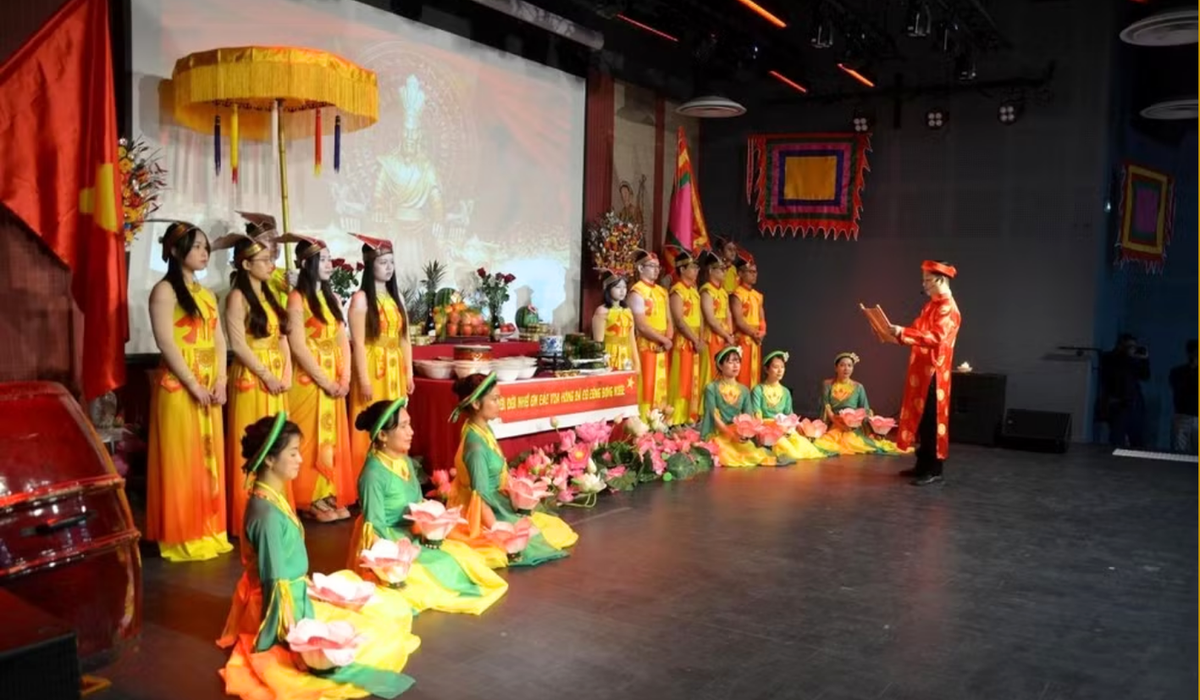
Hung Kings Commemoration ceremony in Paris, France. Photo: Hữu Chiến/VNA
Continuing key milestones from the time of Hùng Kings, after four decades of Đổi Mới (Reform), Viet Nam has recorded significant socio-economic achievements, increasingly recognised by the international community as a "miracle of Asia". By 2025, the economy is estimated to reach 514 billion USD, ranking 32nd globally, with GDP growth at 8.02 per cent and an average of 6.2 per cent annually between 2021 and 2025. Per capita income has reached 5,026 USD. Living standards have improved markedly, poverty rates have declined, and deeper international integration has enhanced the country's global standing.
These achievements reflect not only domestic efforts but also the contributions of overseas Vietnamese communities through cultural connection and promotion. From cultural identity, a sustained internal strength continues to be cultivated, becoming a stable spiritual foundation, reinforcing unity while underpinning long-term development outcomes.
As Legostaeva observed, a key task ahead lies in preserving and promoting these values to unlock new opportunities for cooperation. In this spirit, President Hồ Chí Minh's words remain resonant: the Hung Kings founded the nation, and it is the responsibility of present generations to safeguard it. This message continues to guide Việt Nam's path towards a prosperous, strong and happy future.